
I’m Reading: “Man’s Search for Meaning” by Victor Frankl

Man's Search for Meaning: 1947 Cover

I have certain books that have sat in my “I must get around to reading that” list for a very long time.

Victor Frankl’s book “Man’s Search for Meaning” is one of the books from that list.

In this book Victor Frankl talks through his experiences in the Concentration Camps during the Second World War and from those experience how he developed a school of psychological therapy.

It’s a book of huge insight that is derived from the most awful situation. This isn’t a morbid book, or even a bitter one, it’s full of gems that each of us can apply to our normal lives, but it is full for dreadful details.

A few quotes that struck me, although I hesitate to use them, because each one stands within a context for which the overall meaning may be missing by taking them out of that context:

“Those who have a ‘why’ to live, can bear with almost any ‘how’.”

“So live as if you were living already for the second time and as if you had acted the first time as wrongly as you are about to act now!”

“I shall never forget how I was roused one night by the groans of a fellow prisoner, who threw himself about in his sleep, obviously having a horrible nightmare. Since I had always been especially sorry for people who suffered from fearful dreams or deliria, I wanted to wake the poor man. Suddenly I drew back the hand which was ready to shake him, frightened at the thing I was about to do. At that moment I became intensely conscious of the fact that no dream, no matter how horrible, could be as bad as the reality of the camp which surrounded us, and to which I was about to recall him.”

“Even though conditions such as lack of sleep, insufficient food and various mental stresses may suggest that the inmates were bound to react in certain ways, in the final analysis it becomes clear that the sort of person the prisoner became was the result of an inner decision, and not the result of camp influences alone.”

“If there is meaning in life at all, then there must be a meaning in suffering. Suffering is an ineradicable part of life, even as fate and death. Without suffering and death human life cannot be complete.”

“It is a peculiarity of man that he can only live by looking to the future.”

“The salvation of man is through love and in love”

“Life is not primarily a quest for pleasure, as Freud believed, or a quest for power, as Alfred Adler taught, but a quest for meaning.”

For me the greatest thought is one that I already knew, but one I need to continually relearn and that is that I have control over my response to situations and that in that response is my strength. I don’t have control over the situation, only my response to it.

“Everything can be taken from a man but one thing: the last of the human freedoms – to choose one’s attitude in any given set of circumstances, to choose one’s own way.”
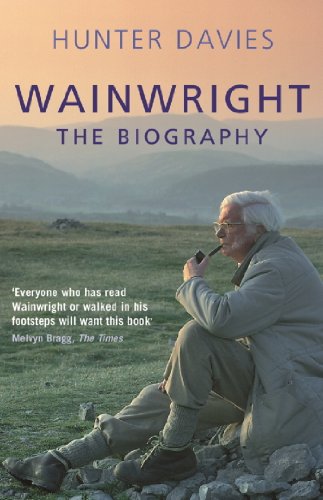
I’m reading: “Wainwright: The Biography” by Hunter Davies

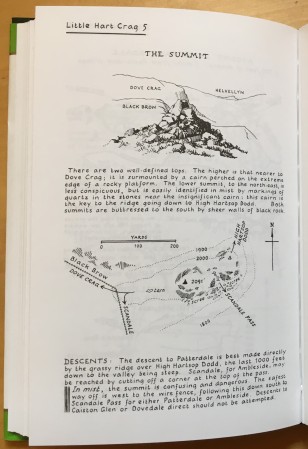
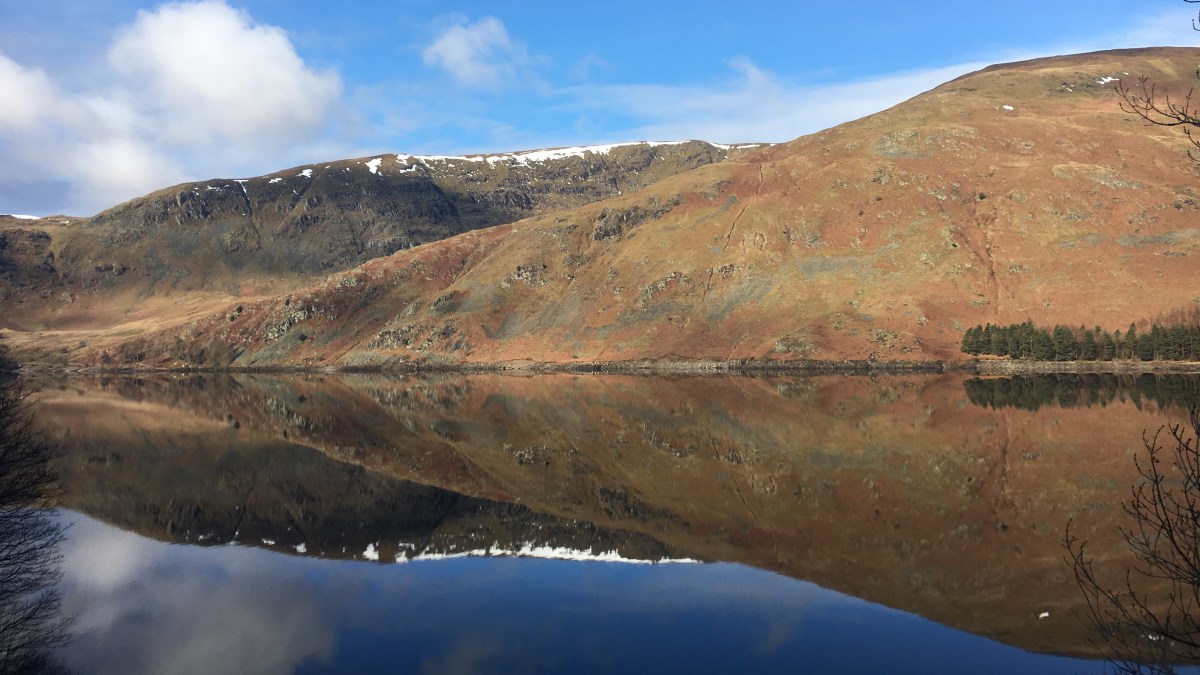
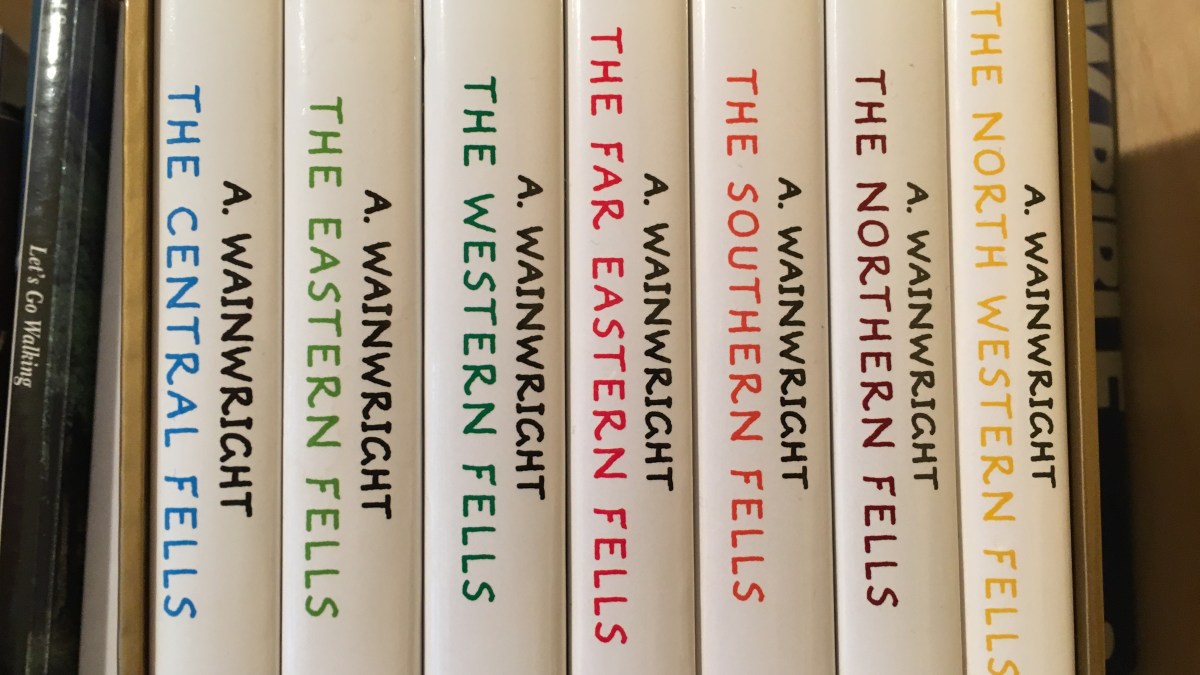
For lovers of the English Lake District there are a set of seven hand drawn and hand written guidebooks which have become synonymous with the hills and mountains of the region – The Pictorial Guides to the Lakeland Fells by A. Wainwright.

Wainwright: The Biography

For a long time the author of these books was little known and the books published by a small publisher using the printing capabilities of the local newspaper.

The first of the guides was published in 1955, it wasn’t for another 11 years, in 1966, that the seventh and last was available to buy. During that time the books grew in popularity, but A. Wainwright remained a little known figure.

The strange thing was that Alfred Wainwright was quite well known in his local community, not for the books, but because he was the Borough Treasurer. This is a role which required him to attend civic functions and interact with the public. Apparently few people put A. Wainwright and Alfred Wainwright together as the same person.

Since their publication climbing the 214 hills documented in the Pictorial Guides has become a target for many, myself included.

This biography isn’t really about the guides it’s about the man who wrote the guides.

A man who came from Blackburn, a Lancashire mill town, but fell in love with the beauty of the Lake District.

A man who we all know as silver haired and old, not as someone with red hair, which he had for most of his life.

A man who had a difficult home life, much of it his own creation.

A man who scrapped the first hundred pages that he created because he preferred a fully justified writing style to the left justified one he’d started with.

A man who preferred low living and high thinking to high living and low thinking.

A man who became frustrated by the popularity of the Lake District, a popularity that he had a significant role in creating.

A man who despite being quoted as saying: “There’s no such thing as bad weather, only unsuitable clothing.” rarely went out in poor weather and didn’t wear specialist mountaineering equipment, preferring instead to wait until the weather improved before venturing out.

20180214_142655712_iOS (1)
A page from the Pictorial Guides

A man who didn’t appear on the television until the 1980’s when he was well into his 70’s and around 30 years after the first guide was published.

A man who never learnt to drive and did much of his work by public transport.

A man who closely guarded his privacy, yet put a self-portrait in each of the guides.

The guides are masterpieces but I’m not sure how much I would have connected with the man. There are all sorts of lessons in his life about dedication and sticking to the task for the long run, but those things come at a high price.

It was great to learn something more about the man from the writing of Hunter Davies who knew him.

It was harder than I expected to evict my iPhone from the bedroom

Like many people I have used my iPhone as a alarm for years. I take it up to bed with me, plug it in and leave it to wake me up in the morning, or that’s what I thought.

I’ve read may article on the problems of having your phone in your bedroom but my biases convinced me that I was immune to the problems highlighted.

For those of you who don’t know that a smartphone in your bedroom is a bad idea there are a number of reasons but they primarily come down to the impact that using these devices has on our brains. The smartphone is, for most of us, the portal into the highly addictive world of social media. Social media is constructed to grab and retain our attention, which it does by feeding the brain with exciting things – bright colours, moving objects, attention, etc. Our brain doesn’t just switch off from these stimuli and go into a deep sleep, our brain needs time to wind down from the effects of the high calorie inducement.

There’s also a physiological reason, the smartphone screens give off light that impacts upon our levels of melatonin, a sleep inducing hormone. There are ways of reducing this impact, for some phones that requires an app, on the iPhone it comes with Night Shift mode that reduces the problematic blue light frequencies.

My biases convinced me that as long as I enabled Night Shift mode I was pretty immune to the impact of social media – I was wrong.

Something broke through my biases and I decided to invest in a traditional alarm clock; evicting the iPhone and leaving it downstairs to charge. Sounds simple enough?

Making the change was much harder that I was expecting,  It’s been over two weeks and still, every evening I will at some point reach for my iPhone. I’m not sure what prompts it, but the urge is there. The action was so habitual that I didn’t even know I was grabbing for a social media fix. I’m sure that this automatic response will pass, but it hasn’t yet.

Also, I’m not sure I can claim any great impact on my sleep yet. I wasn’t expecting to be able to get to sleep quicker, because that’s never been a problem. What I was hoping for was better and longer sleep as part of a general improvement in sleep hygiene, but that hasn’t yet materialised. That doesn’t mean that I’m going to switch back to having the iPhone in the bedroom, but it does mean that I need to keep working on it.

We live in a sleep deprived world and I think we need to do more to help people understand its importance. This isn’t just about a feeling of well-being, our poor sleep may by killing us.

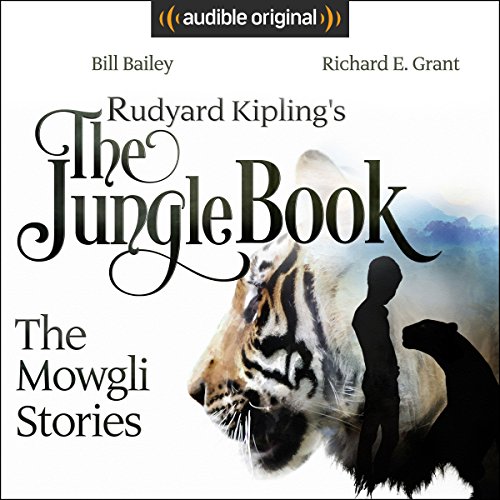
I’m Reading: The Jungle Book by Rudyard Kipling

There’s some literature that is assigned the category “children’s books” sometimes that limitation of audience is appropriate, but often the constraint deprives adults of wisdom and delight, that’s the case with the Jungle Book.

I’m approaching my sixth decade and haven’t interacted with Mowgli since my children were small and the Disney remodelled characters filled the screens. I don’t remember reading the Rudyard Kipling books as a child so when an audiobook became available for £0.99 I decided that it was time to meet the original characters.

We always enjoys the Disney Jungle Book and watched it often, but the original characters are multi-layered and deeper because of it.

I was surprised to find out the Kaa was really an ally of Mowgli’s. I loved the wisdom of Balloo. Mowgli is more cunning than a cartoon allows. All in all a great read/listen.

More “children’s” books will be going on the list.

“If history were taught in the form of stories, it would never be forgotten.”

Rudyard Kipling

I’m Reading: The English and Their History by Robert Tombs

Do you know your history?

I thought I knew something about British and English history having previous read a couple of books on the subject, but there’s always more to learn.

The English and Their History is an epic, the paperback has 1024 pages, and not something I would normally get the chance to read, so I employed the technology and listened instead. Stephen Thorne’s rendition is 45 hours and 31 minutes long! That must have been quite a reading session.

The book is described as the “first full-length account to appear in one volume for many decades” which pretty much sums up a book that starts in the 5th and 6th century AD and finishes quite close to the current day. It’s amazing to think that the name England – or, rather Englalond – is over 1000 years old.

The English are an interesting breed, regarding themselves as a nation that occupies a land, neither of which are easily described and rarely universally agreed upon. I regard myself as English, but my ancestry is more complicated than that which is evident in a surname that derives from Flanders, but I’m quite typical of many English people. We are surrounded by nations with a much more definable heritage and identity, but we are mostly comfortable with our variety.

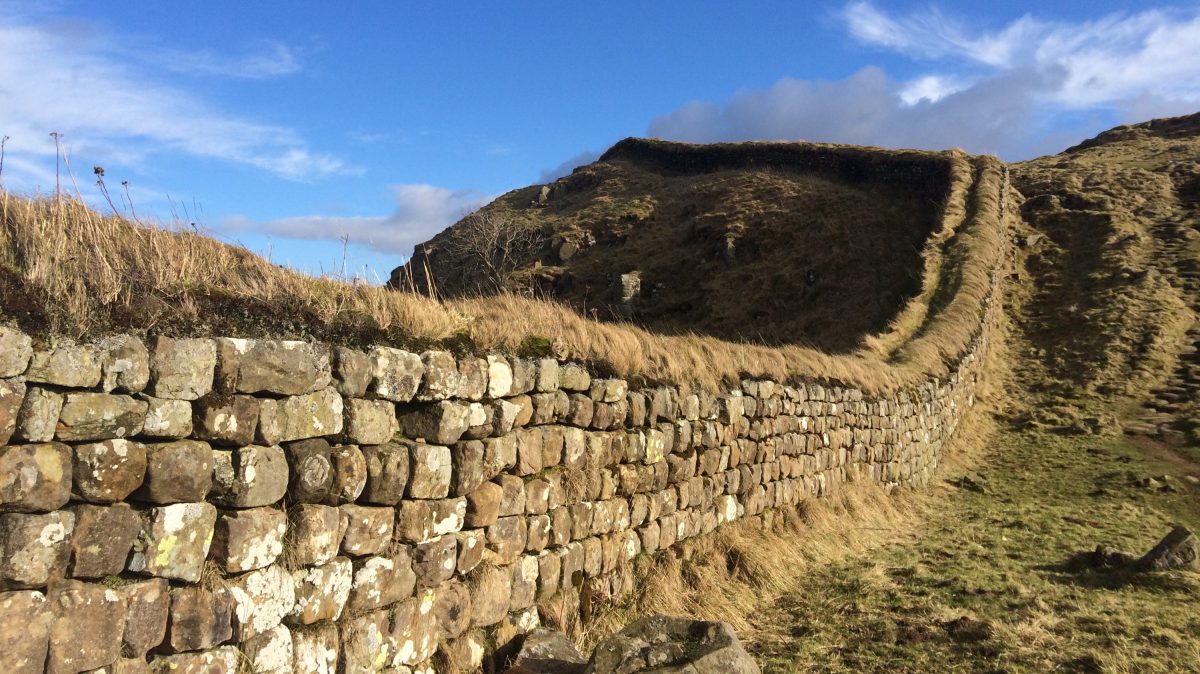
The land around me is littered with battle locations, each of which could have significantly changed the nation that we call England today. Not far away is a river where the Romans created a strategic fortification near a crossing, surrounding it today is a small town that was mostly built from the rocks used to build those fortifications. Those Romans are long gone, but their impact is still visible. Within walking distance the buildings of the industrial revolution have been redeployed to new uses that disguise their former significance; a call-centre now occupies the space where weavers would work the cotton from America. Around those building is a community that is only their become of the British Empire and the cross-continental connections that it created.

I say these things to highlight the effects that English history is still having today. As I listened to The English and Their History I was struck by how many times I could relate attitudes and biases today to things that happened hundreds of years earlier. The Brexit debate has so many parallels in our history that it’s amazing that anyone was surprised by the outcome of the vote.

I was also struck by the impact that my own history had on my own thinking processes. Pick any of the labels that I give myself and the history behind it impacts upon what that label means. As a northerner I have a certain perspective on a north-south divide that has existed for hundreds of years. As a protestant I am impacted by the shift that this nation took under the rule of Henry VIII. As an office worker I know the impact of the industrial revolution and the creation of companies.

That, for me, is the power of studying history, understanding myself and understanding others. The 45 hours I spent getting a better understanding of myself and others is already yielding a high return.

Blessing #206 – Evening Song

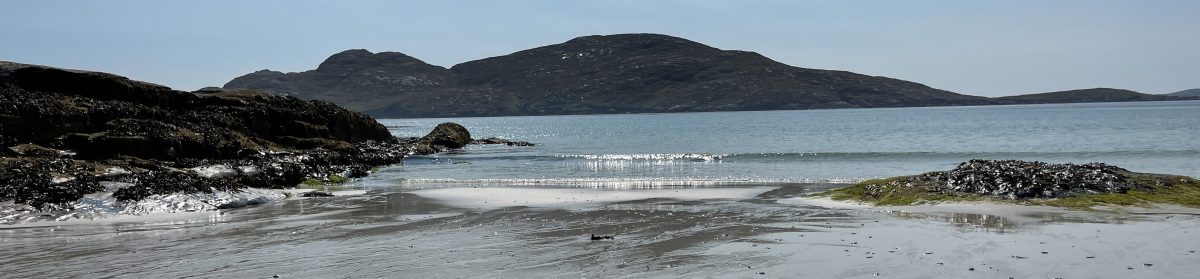
A couple of weeks ago Sue and I took a few days off in Northumberland. We’d managed to book a small cottage a short walk away from a beach with a view of the sea. 

The April weather was very kind to us and we enjoyed glorious days and fabulous sunsets, we even got up very early one morning to watch the sunrise over the sea.

One evening I decided to take a walk in the dunes along the beach and to watch the sunset from there. As I powered my way up the loose sand on one of the dunes I noticed a Robin in the top of a thorn bush singing away. It was like it was singing to the sunset telling it how much it appreciated its colourful display. Or perhaps it was telling the other Robins in the area who was boss. I don’t mind why it was singing it beautiful to listen to.

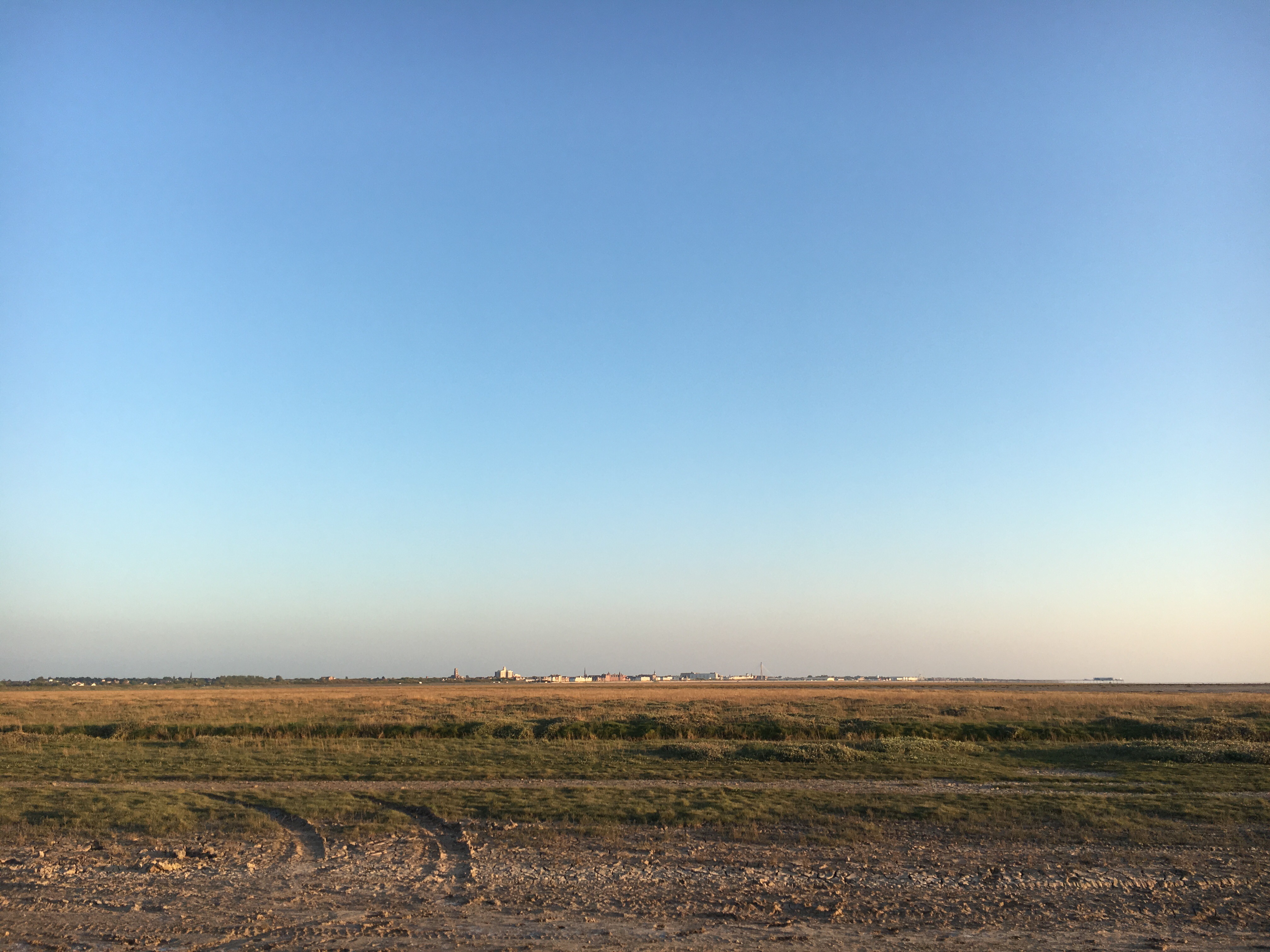
This evening I took a walk alkng a lane which runs through a salt marsh out towards the sea. This lane is only a short distance from quite a large town but it wasn’t long before the noise of the vehicles feeding into and out of the town subsided and the song of hundreds of Skylarks filled the air. I was completely surrounded by their serenading. As I wandered along the Skylarks were joined by a Curlew with its haunting melody. The sun was setting ahead of me and it was lovely.

We are blessed in the UK to have such beautiful choral birds, even if we aren’t that good at stoping and appreciating them.

As I walked back along the lane to my car, the sound of vehicles returned and the evening song subsided out of earshot but not out of my consciousness. The song is still there I just can’t hear it any more, but I can remember it.

My Stories: The Coffee Bean Pot Band

There’s a tradition in our house that every time we open a new bag of coffee beans we cut out the label and place it under the elastic band that’s around the pot where we store the beans.

The pot is an old Illy coffee pot that we’ve had for years, over that time the number of labels has grown and the elastic band expanded.


Each of the labels compacted under the band has a little story of its own.

The story might be as simple as a trip to the local supermarket. Some of the stories are about special occasions; others are about holidays. The Pilgrims Coffee is from Lindisfarne.


There are stories about trips out and also stories about trips further afield. The Lojano is from Ecuador.

There are coffees that are there because they are favourites, others are special treats. Some we return to, others have been a unique experience.

The idea that we have drunk a coffee called Lazy Sunday is a deep irony.

The coffee bean pot band is a treasure trove of memories.

The Fourth of the Fourth | Blogging Birthday 2017

On this day in 2005 I started blogging, 12 years later and I’ve written 1874 posts. I’ve actually written more posts than that, but some of them never see the delights of publication, I have certain standards.

Most popular blogging sites focus on a particular subject or agenda, I don’t. For me, blogging has, always been about expressing myself and not about driving a particular set of topics. Sometimes I dive into series, sometimes I just write what I want to write in a single article.

I’d like to say thank you to those of you who read and those who comment, it’s humbling to recognise that you invest your time reading what I write.

When I started blogging I used TypePad which I quite liked, but had some limitations so eventually switched to a self hosted WordPress.org site. Running your own WordPress installation comes with some overhead, particularly if you want to keep your site out of the hands of hackers.

More recently I’ve migrated over to WordPress.com which is the WordPress application hosted by WordPress.

There were a couple of glitches in the migration, but all of my information made it across without any problems. The only lingering issue is that some of my older posts are missing their header image which is a problem I can live with.

There were several reasons for switching over to WordPress.com:

  • I wanted to move to HTTPS as the primary protocol. Google and other search sites give preference to HTTPS and it was going to be tricky (and expensive) to go HTTPS with my existing hosting provider.
  • I’d learnt what I wanted to learn about hosting WordPress which I’ve used on a number of private projects.
  • Maintaining WordPress does require some effort, it’s a lot better than it used to be, but it was still more effort than I was wanting to expend.
  • I wanted to save some money. My existing hosting was coming up for renewal which gave me the impetus to change and using WordPress.com was cheaper than the hosting provider I was using.
  • It’s good to change.

I’ll be back soon with some more writing, but until then I’ll leave you with a thought from someone else:

“Writing, to me, is simply thinking through my fingers.”

Isaac Asimov

I’m reading… My Morning Routine

My Morning Routine is a site that asks people about their morning routine, as simple as that, but I really like the insights.

Some of my fascination with this site is pure nosiness, I like to know what other people get up to, there, I’ve said it.

The major part of my fascination comes from experiences in my own life where I’ve let my morning routine get in a mess, once I was in a mess I realised how important routine was, especially in a morning. Since then I’ve tried to drive a set routine for most mornings and that’s really helped.

There are a couple of other aspects of the site that I like. Firstly, most of the insights are from women, My Morning Routine is not a site dominated by middle-aged white men. Even though I am a middle-aged white man even I can have too much of them. Secondly, many of the people would only be recognised in their own field, they’re not universally famous, or even recognised, they’re not ordinary, but they aren’t celebrities either.

I thought about writing my own version of one of the My Morning Routine posts, but instead decided to highlight some of the intriguing answers that people give to the standard questions:

David Kadavy

I am not a morning person. This is exactly why first thing in the morning is my most critical creative time. Research shows that your off-peak times are the best for insightful thinking, so my one goal in the morning is to make the most of that still-slightly-groggy time.

Arianna Huffington

Yes, I treat my transition to sleep as a sacrosanct ritual.

First, I turn off all my electronic devices and gently escort them out of my bedroom. Then, I take a hot bath with epsom salts and a candle flickering nearby; a bath that I prolong if I’m feeling anxious or worried about something. I don’t sleep in my workout clothes as I used to (think of the mixed message that sends to our brains) but have pajamas, nightdresses, and even T-shirts dedicated to sleep. Sometimes I have a cup of chamomile or lavender tea if I want something warm and comforting before going to bed. I love reading real, physical books, especially poetry, novels, and books that have nothing to do with work.

Mike Vardy

I am a night owl, so my bedtime is usually around 1:00am these days.

I have a specific evening routine I carry out as well so to help me wind down my day and start the next one with a sense of direction; part of my evening routine is writing down My 3 Absolutes for the next day.

Erin Loechner

I start my morning with a simple prayer: Lord, help me see. That’s it. Nothing fancy. I find it offers me the precise amount of perspective I need throughout the day – I’m always repeating it in my head!

The statistics page is interesting, 30% of the people are 6am risers with 30% of them in bed for 10pm. 30% of them have had their current routine for more than 3 years. 60% of them check their phones immediately.

Do you have a wandering mind? It’s probably making you unhappy.

The other day we revisited the subject of multi-tasking and I talked about a few ways I try to remain focused. Focus isn’t just important for productivity, it’s also a core competency for happiness.

Back in 2010 Matthew A. Killingsworth and Daniel T. Gilbert published a scientific paper titled: A Wandering Mind Is an Unhappy Mind.

We developed a smartphone technology to sample people’s ongoing thoughts, feelings, and actions and found (i) that people are thinking about what is not happening almost as often as they are thinking about what is and (ii) found that doing so typically makes them unhappy.

Let me say that a different way: spending your life thinking about things that aren’t happening is making you unhappy. You would be happier if you focused on the here and now.

So much of the multi-tasking that we do is an attempt to switch between multiple things that aren’t happening, it’s a type of active mind-wandering. How many times do we check our social media to see if something is happening only to be reminded that nothing is happening. How many times have you refreshed your social media site only to refresh it again, and then again without even thinking. The research tells us that this is making us unhappy.

Below is Matt Killingworth talking through his work at TEDx:

Matt also talked through his findings on the TED Radio Hour in 2014.

I’m reading…Tom Peters

Tom Peters is a writer on business management practices, I suppose you could call him a motivational speaker but that term has become so clichéd I’m not sure you would understand what I meant by it.

Tom is very active on twitter, he’s written over 60,000 tweets:

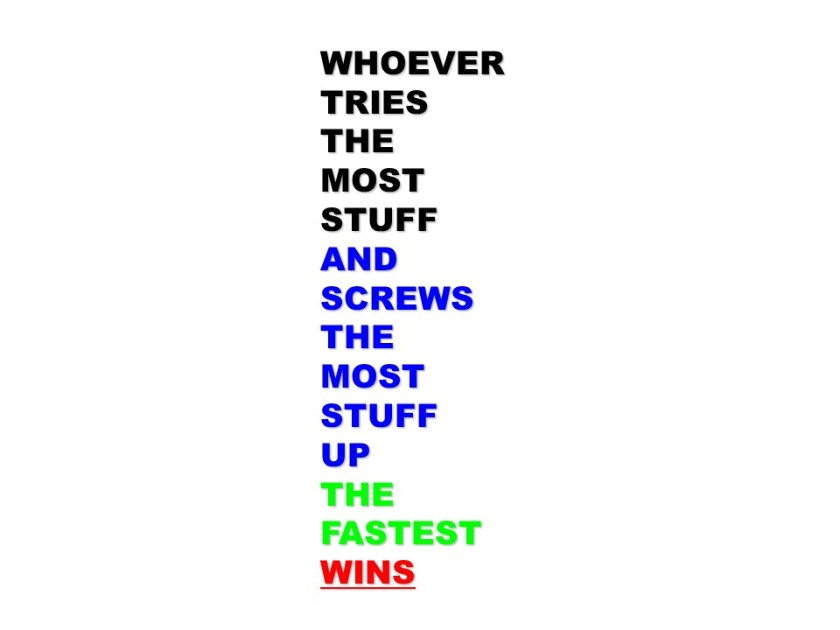
But the thing I love about Tom are his PowerPoint presentation decks. They are the most remarkable things. He publishes the slides that he uses at events and has also compiled a master copy called The Works while has over 50,000 words in it. A recent one from December 2016 comes to over 108 slides and obliterate many of the design rules that our modern corporate slides abide by, but the contents are thought proving and challenging:


be-the-best


design-rules


women


whoever-tries-and


At the beginning of this post I said that Tom was a motivational speaker, but I also said that you may misinterpret what I meant by that, this is what I mean: I love to read through Tom slide decks because they motivate me. They motivate me to be a better leader. They motivate me to see that things can be better. They motivate me to keep trying new things. They motivate me to keep seeing new things. They motivate me to adjust my priorities.

Every time I sit in a dull, pointless meeting Tom’s words about meetings ring around my head and make me determined that we are going to do better next time:

Prepare for a meeting/every meeting as if your professional life and legacy depended on it. It does.

Most of Tom’s material is highlighted through his blog which I subscribe to via Feedly to make sure I don’t miss out. His most recent post on collected quotes has some gems in it.

I’ll leave the closing thoughts to Tom himself:

My Tools: Evernote for iOS

It’s that time which sometimes happens in our house when we need a few things from the shops. I’m the designated shopper for this trip. We only need a couple so I don’t bother to write down a list. Then a member of the family adds something extra to the list, three things, my brain can cope with that. Oh, but while you are there could you also look for another thing. I’ve now got to four things to remember and I don’t know about you, but four is about my limit. It’s time to make a list.

My daughter’s car is in the garage for some work and she wants me to phone up to see what the progress is. I’m asked to do this because I supposedly know more about what they are about to say, that’s debatable. I know I’ll need the car registration but there’s something about the registration number of this car that means that I can’t remember it consistently.

These are just a couple of examples where I use Evernote for iOS on my iPhone. Back in 2012 I described how I used Evernote as one of my daily productivity tools which it still is (It’s interesting to read how my writing style has changed a bit since then). Evernote has all sorts of information in it having those that information on my iPhone makes them significantly more mobile.

Now is a good time to talk about Evernote for iOS because it’s recently gone through a significant interface overhaul which I must say I approve of. For one thing, making ad-hoc notes like a quick shopping list is much simpler. It’s also much cleaner and easier to read.

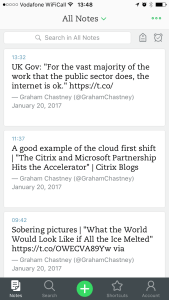
This is my All Notes screen from this morning:

20170120_134853000_ios

Creating a new note is as simple as clicking the plus sign at the bottom.

The integrated scanning has also removed the need for Scannable simplifying the workflow of scanning things into Evernote.

I’m not sure there’s much more to say than that: