Clougha Pike Circular from Riggs Lane | Graham’s Guides

A beautiful Lancashire walk with loads of history and interesting geology. A great place to enjoy the mesmerising sound of Red Grouse singing.
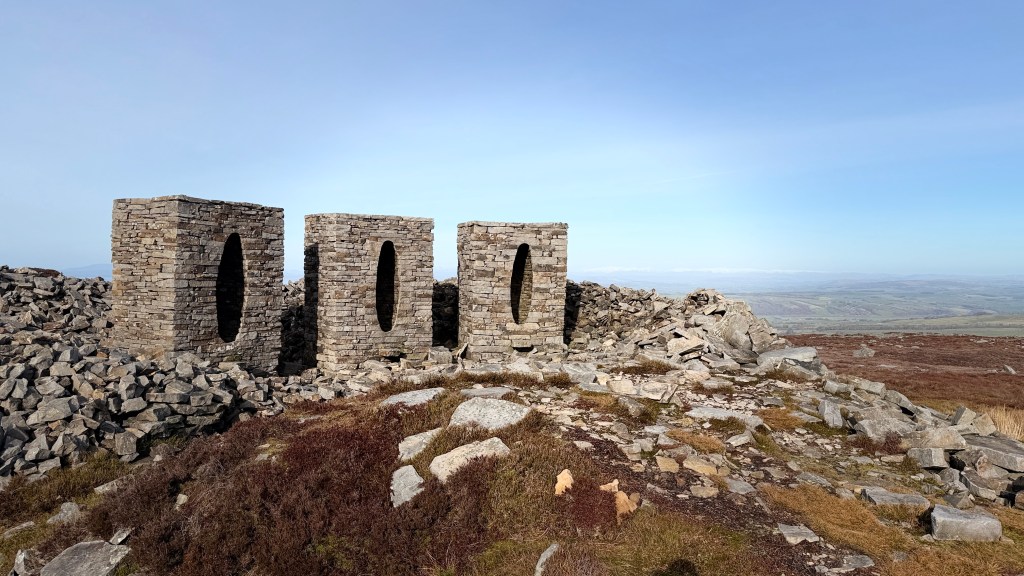
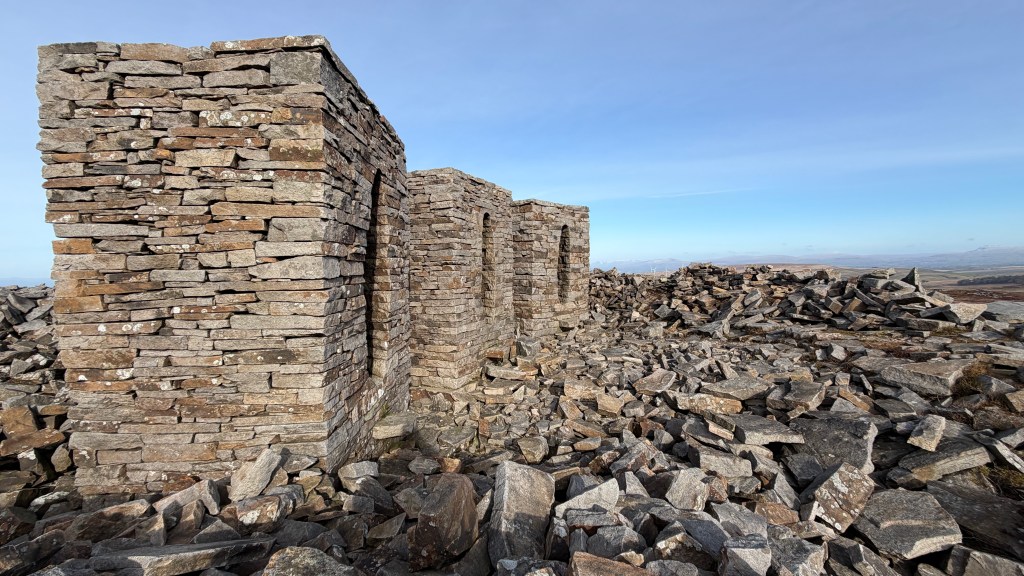
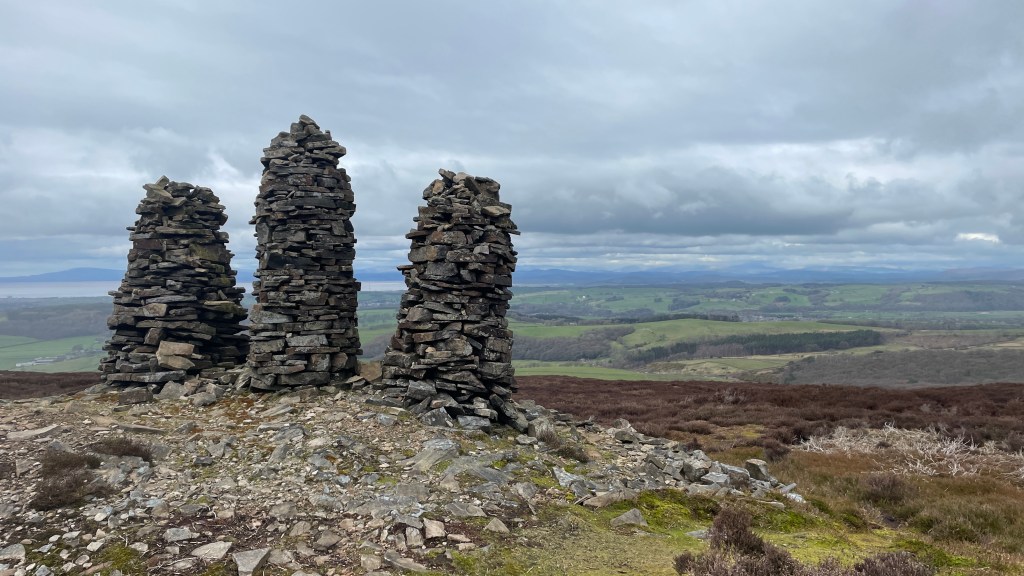
This walk includes a visit to the spectacular Three Chambers installation by Andy Goldworthy.

Graham’s Walks📌
Distance5.7 miles/9.2 km
Elevation1283 ft/391 m
DifficultyModerate
Map🗺
GPX📁
Graham’s CafeNot on this one
ClassificationNone

The Area

I have a theory that many areas of the UK have places that are deliberately named to help identify outsiders. They like to do this by having a name that is pronounced differently to how they are spelled. This walk starts near to the wonderfully named Quernmore which is one of those places; if you want to reveal yourself as a visitor you will assume that this place is pronounced quern-more, whereas everyone local calls it kwor-mer.

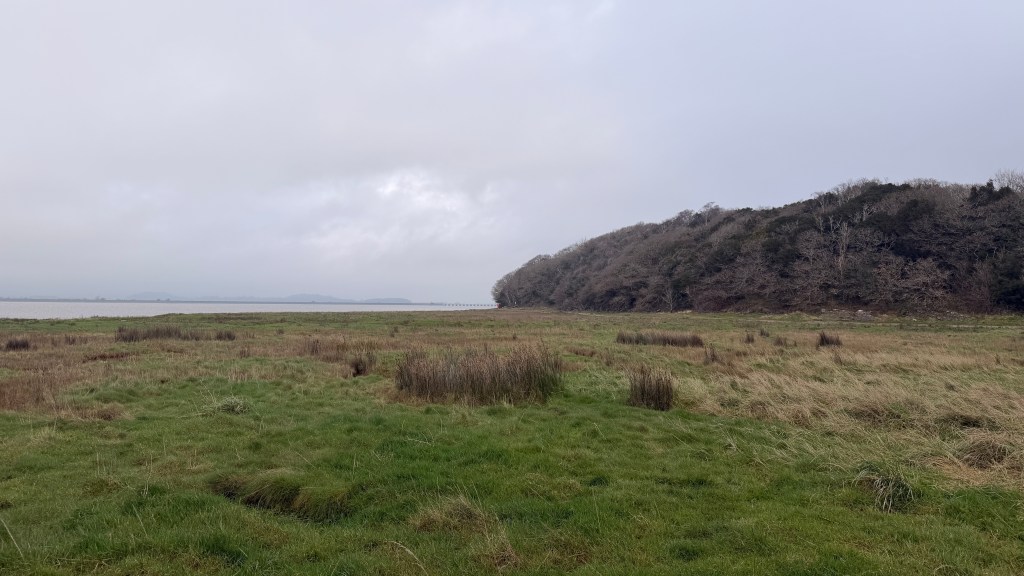
Clougha Pike sits within the Forest of Bowland. When I was studying for my degree a fellow student from the south of England came in and said something to the effect of “We went to the Forest of Bowland at the weekend, but couldn’t find the trees, there weren’t any.” They were right, they hadn’t missed something, there aren’t many tree. Today we mostly associate the term forest with trees as the word has shifted meaning over time. A “foresta” is a Middle Ages term for a piece of land that is set aside for a King or a high ranking noble for hunting. This status that continues in the area with much of it being owned by the Duchy of Lancaster (the King) and the Duke of Westminster. The Forest of Bowland never had that many trees it’s always been too boggy.

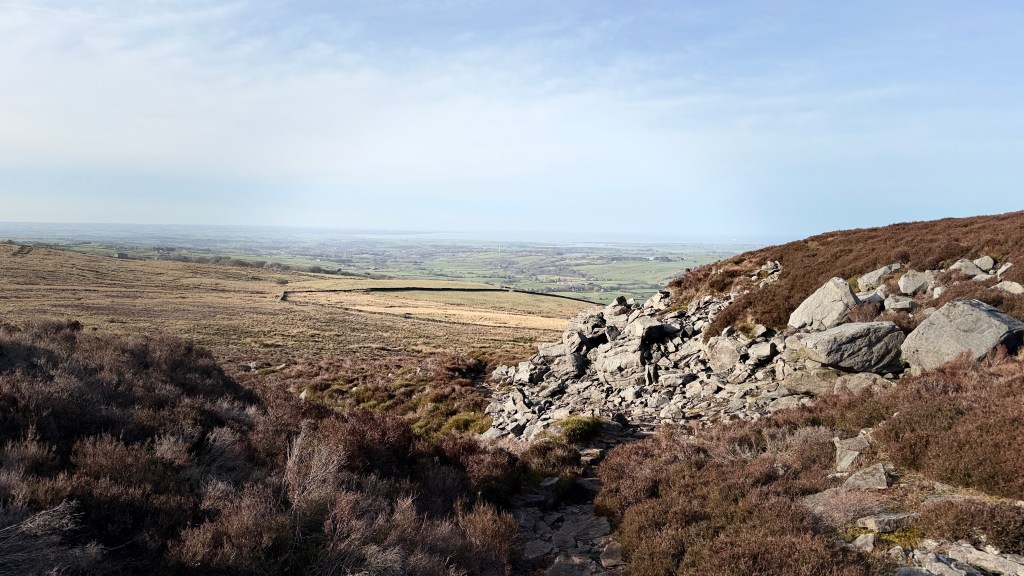
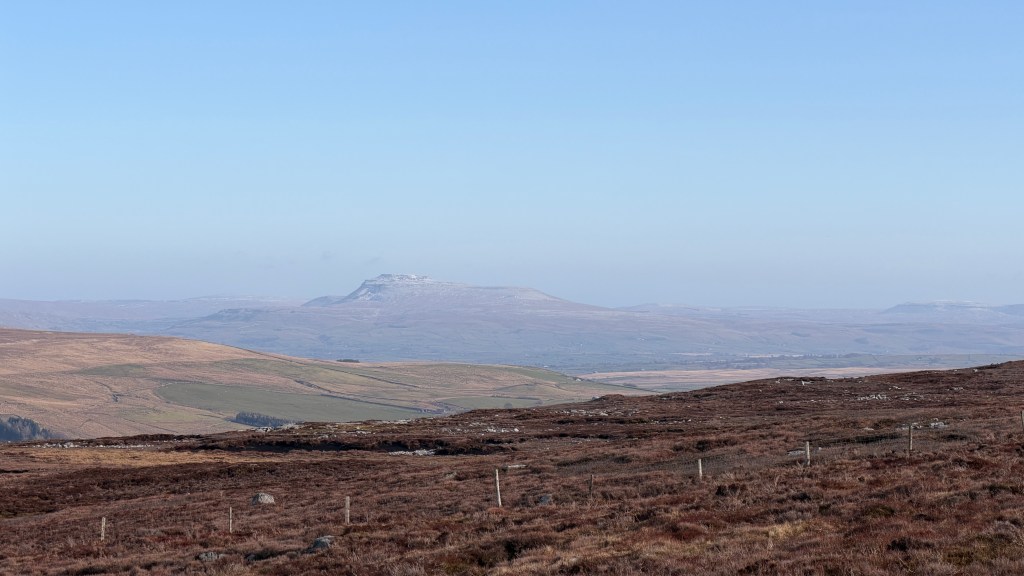
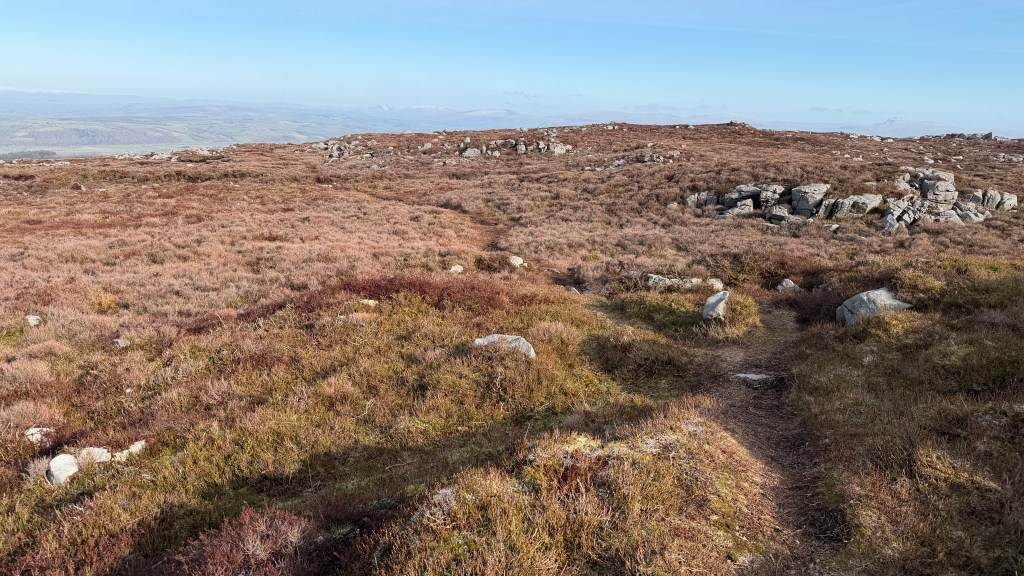
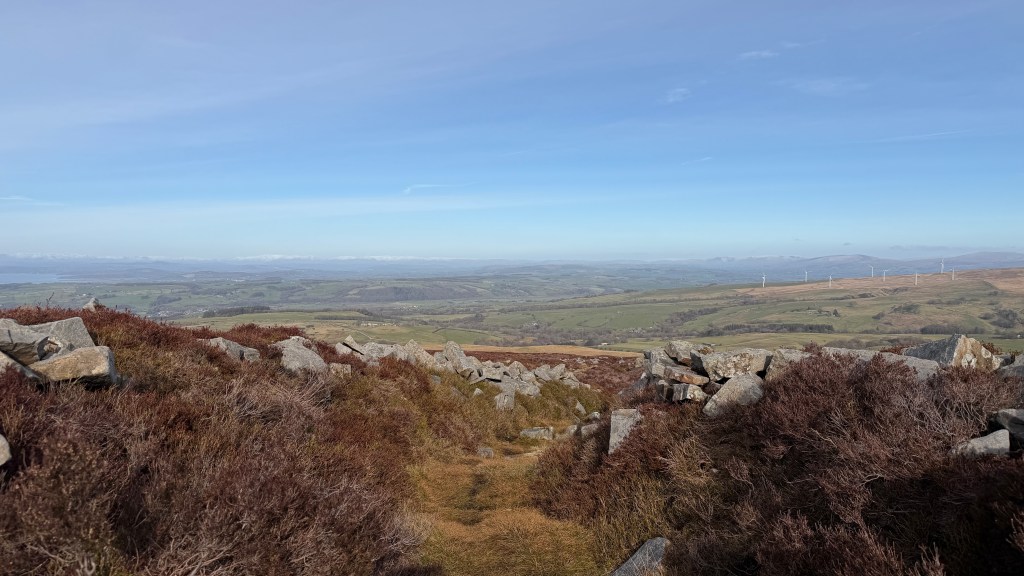
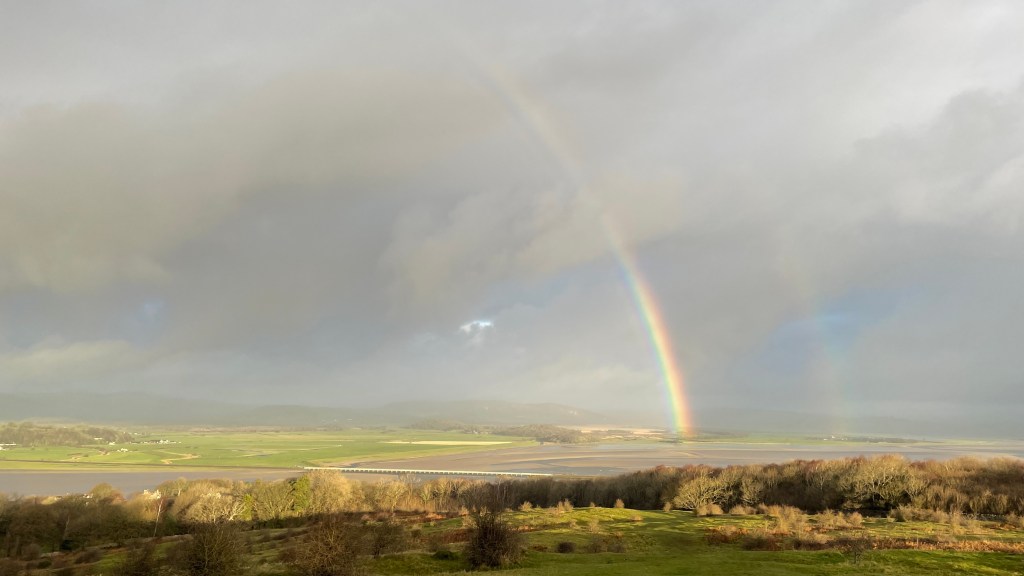
Clougha isn’t the highest point within the forest, but it does give some impressive views in every direction. On a good day it’s possible to see north to the Lake District Fells and south to North Wales. To the east the peaks of the Yorkshire Dales stand majestic and to the west are the lowlands of Lancashire and on a really good day views of the Isle of Man beyond Barrow-in-Furness.

The name Clougha hints at the rock formations within the grit stone on the walk; a clough is a gorge or narrow ravine of which there are several with some wonderfully named on the maps – Windy Clough, Little Windy Clough, Foxes Clough and on some maps Otter Geer Clough (confusingly also shown as Oter Geer and Ottergear).

There is more information on the local history here: Forest of Bowland: History, Culture & Heritage.

The Walk

This walk starts from Rigg Lane car park which is here on Google Maps, grid reference: SD 526 604. This is also known as Birk Bank car park describing the geological feature to the rear.

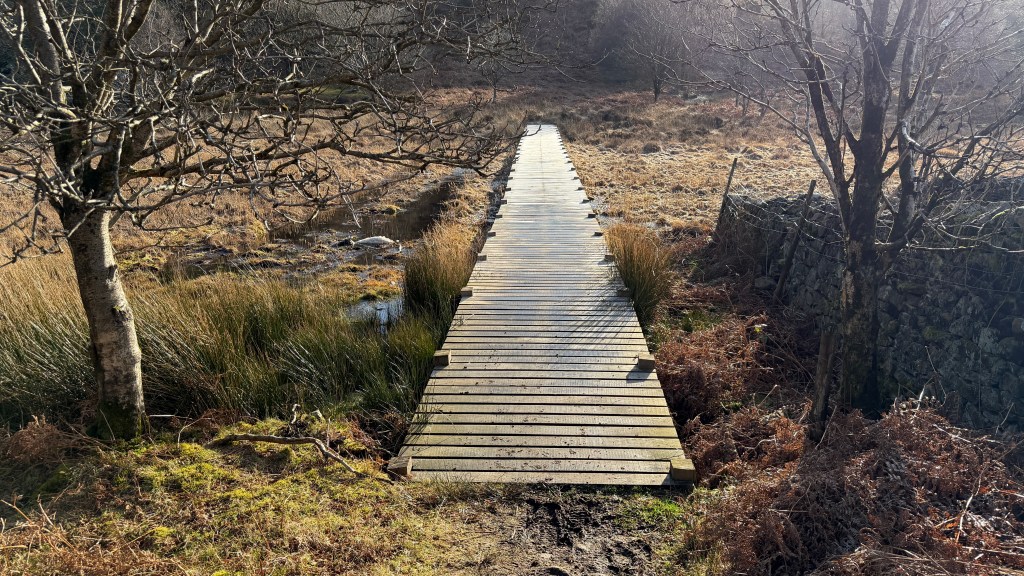
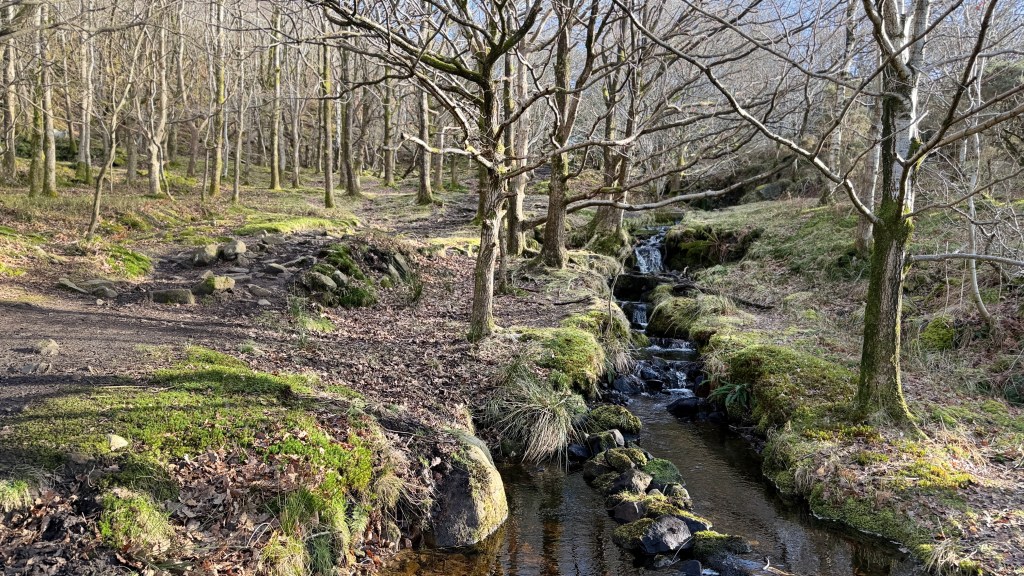
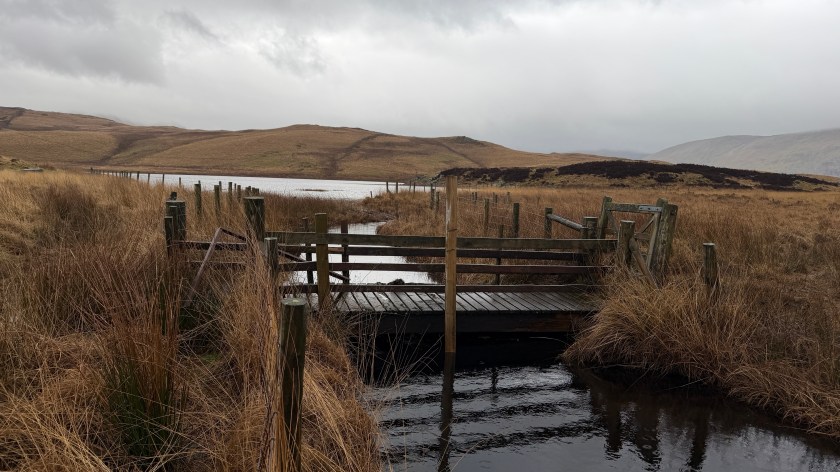
The path leads from a gate at the back of the car park up over a small hill and then keeping to the right down towards a boggy area. There is a duckboardss path across the boggy bit, fortunately. The duckboard has been replaced in recent years and follows a slightly different route to the one shown on most of the maps. Again keeping to the right head towards the wall and a stream which you will follow up through a wooded area with Birk Bank own your left and into our first clough.

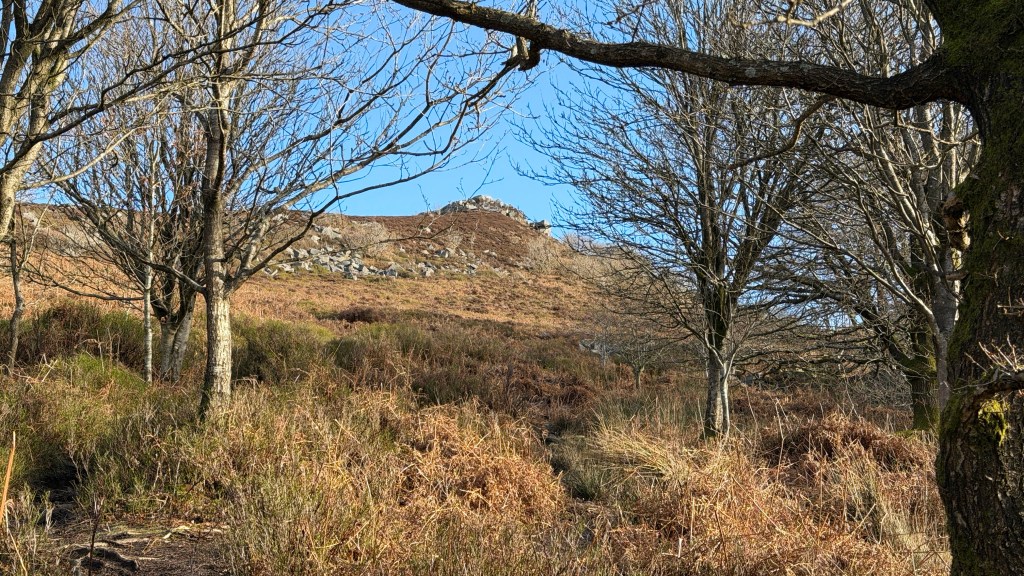
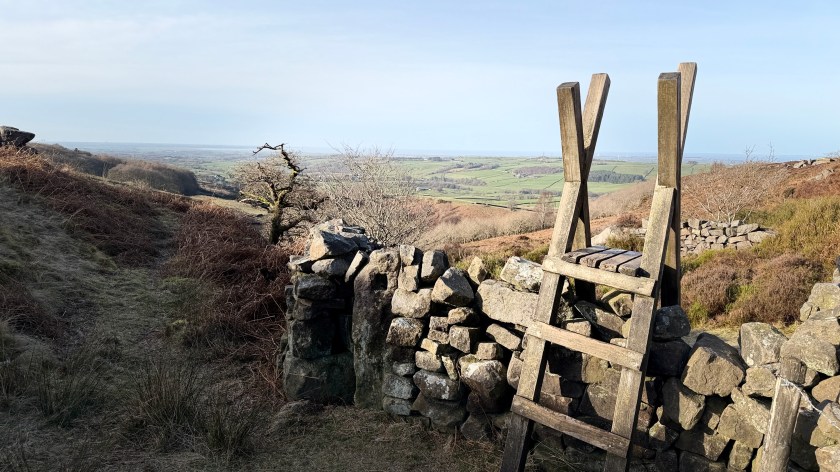
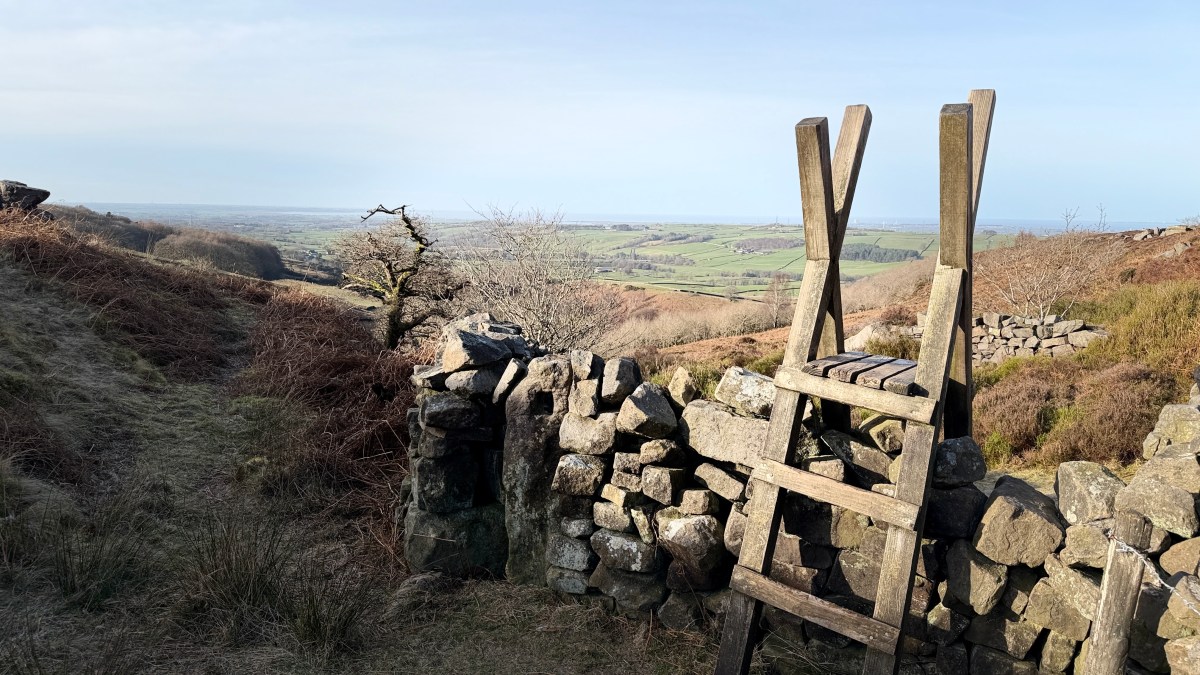
You will reach an intersection of several dry stone walls and a pair of high-stiles. Take the one to the right and continue to follow the path uphill with the wall on your left. The path follows the wall as it turns right and then left, then through the wall (I think via a gate) from where you will see a clear route up to the top.

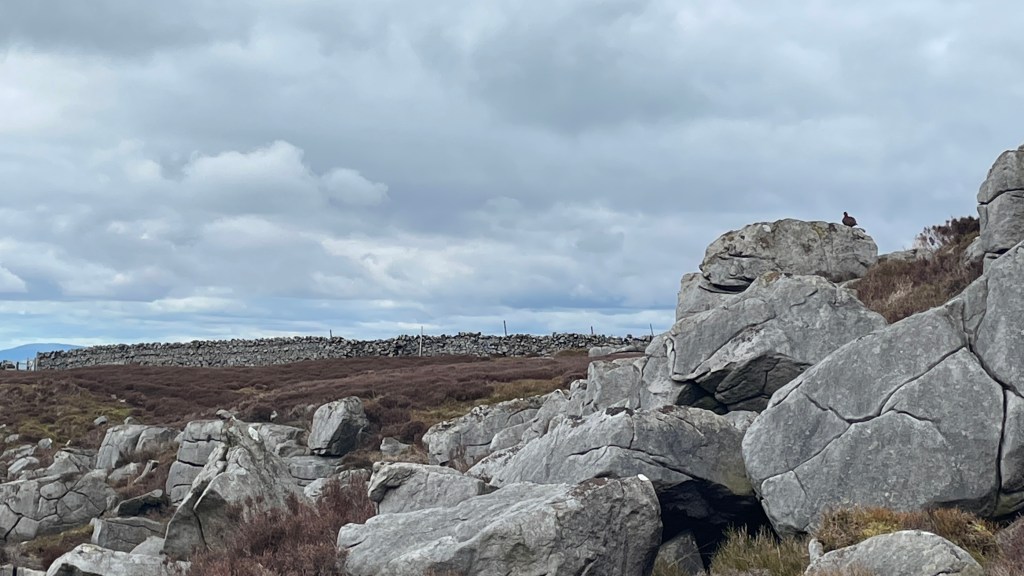
From this point on the path is quite bouldery with muddy areas between. Thankfully, being grit stone none of the stones are smooth or slippery. The path again follows a wall for most of the rest of the route to the top. If you haven’t already, this is the area where you are likely to get your first encounter of a Red Grouse, even if you haven’t seen them you are likely to have heard them.

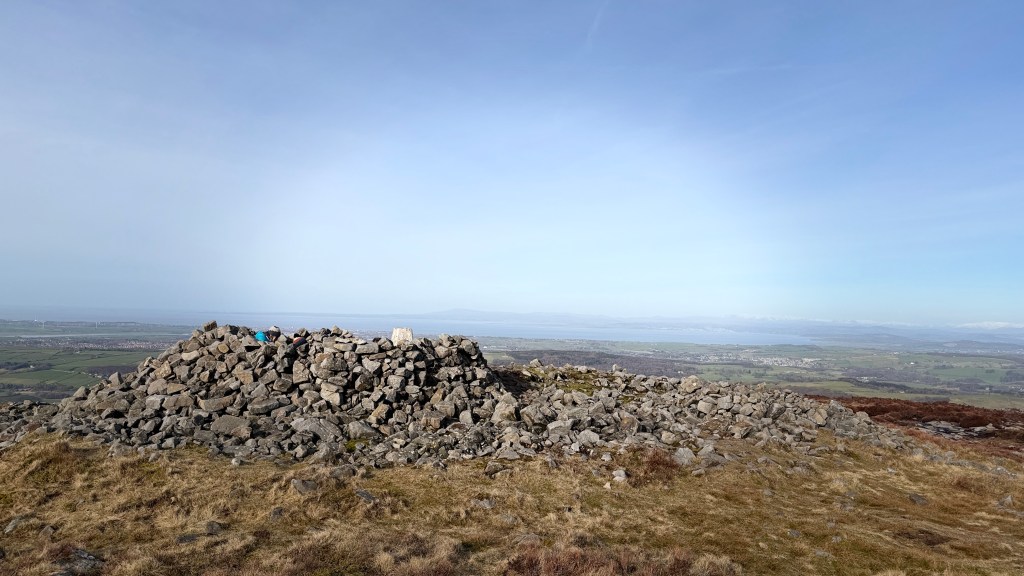
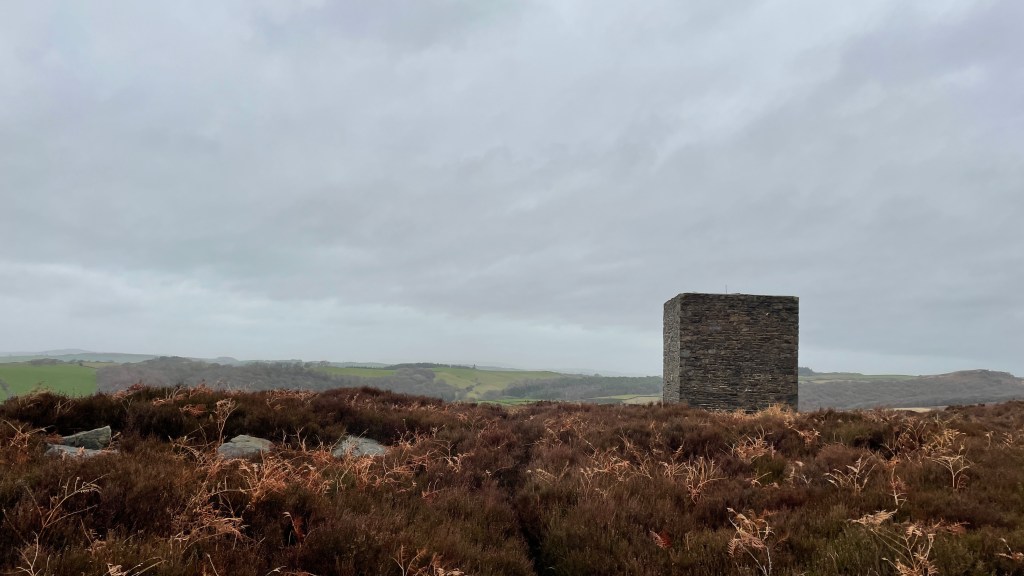
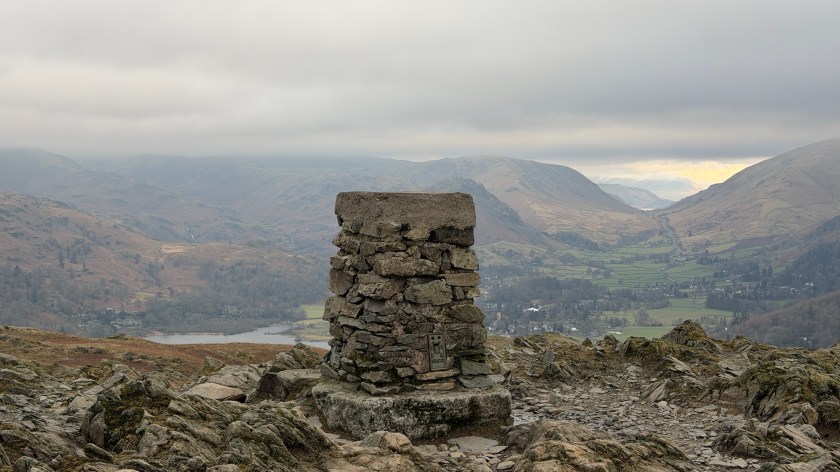
The top is marked by trig-point and a dry-stone wind shelter which is a great place to stop and take in the view.

From the top head east towards the area marked on the map as Foxes Clough. After a short while you’ll head over a small stile from where you may notice a subtle change in the landscape. From this point, and for most of the rest of the walk, our route takes us across a managed grouse moor which is part of the Abbeystead Estate owned by the Duke of Westminster. Access to areas of this moorland may be restricted during the grouse shooting season which runs from 12th August to 10th December, it may also be restricted if there is a high risk of fires.

The path eastward heads towards the summit of Grit Fell, this is a great extension to this walk. We are going to follow this path for a while and then take a path off towards the left which works us across to an area marked as Quarries (dis) on the map. This disused quarry is the home of the Three Chambers, or Clougha Pike Chambers, an installation by Andy Goldworthy.

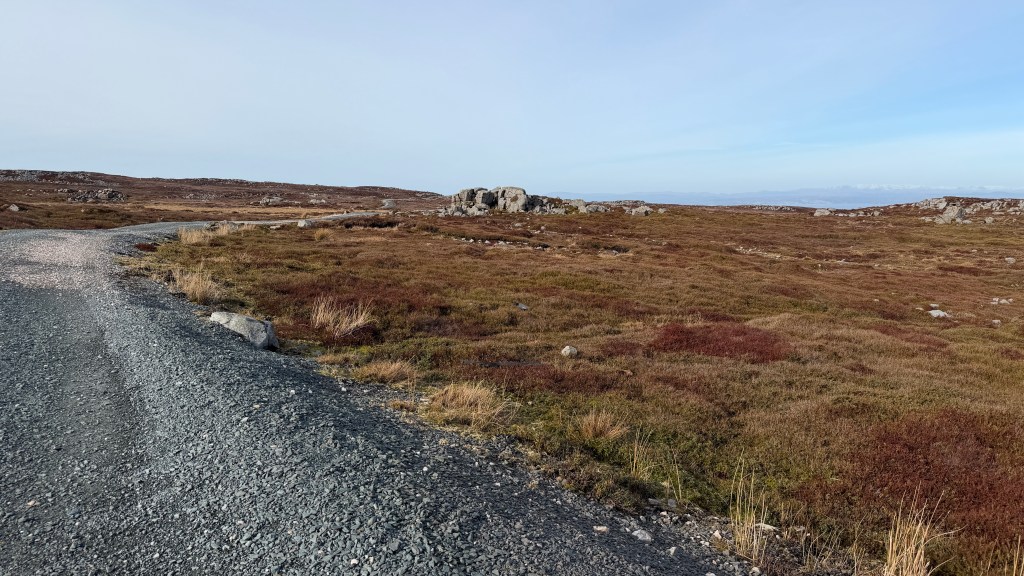
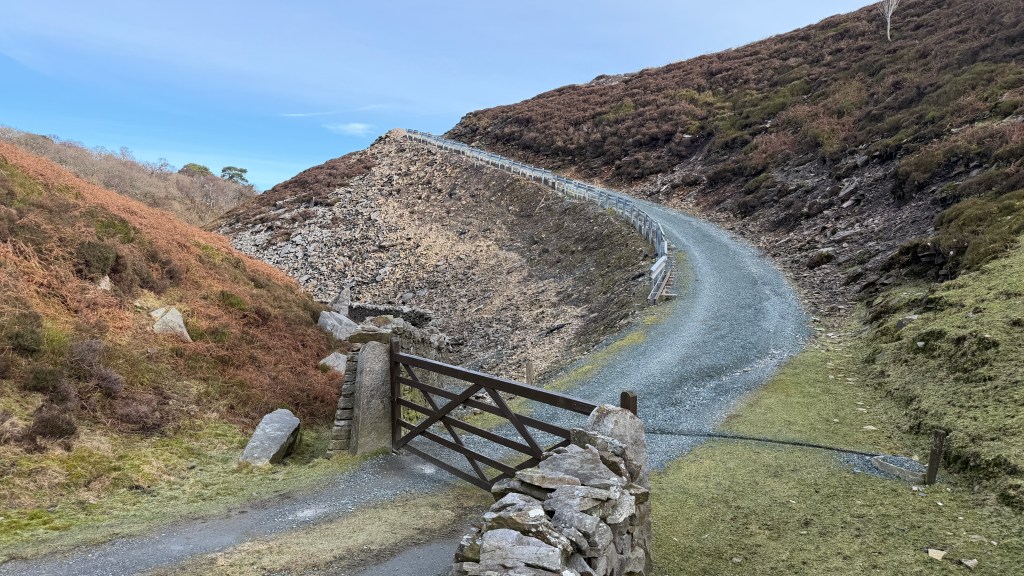
From the chambers head over to the gravel track heading left along the track.

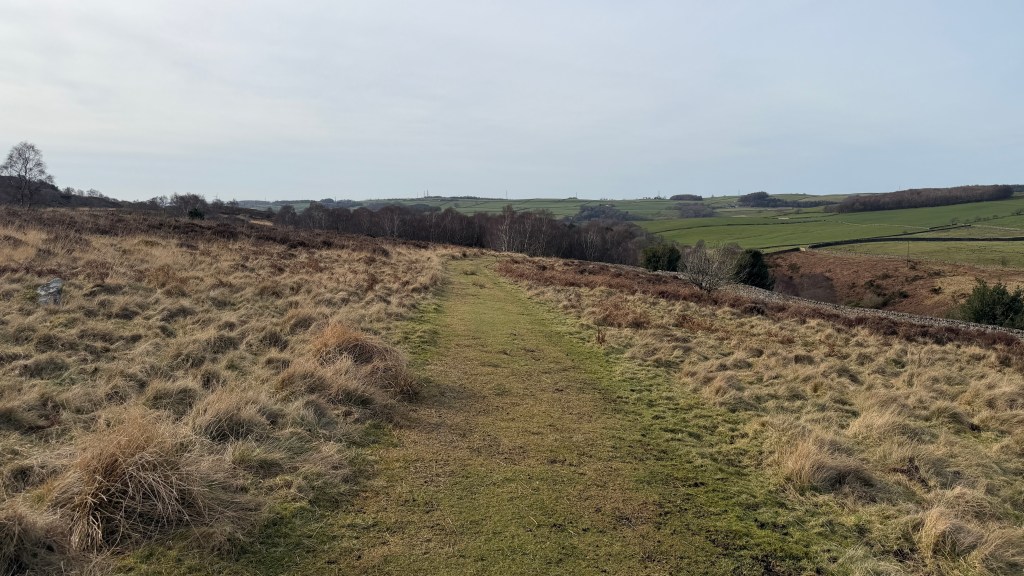
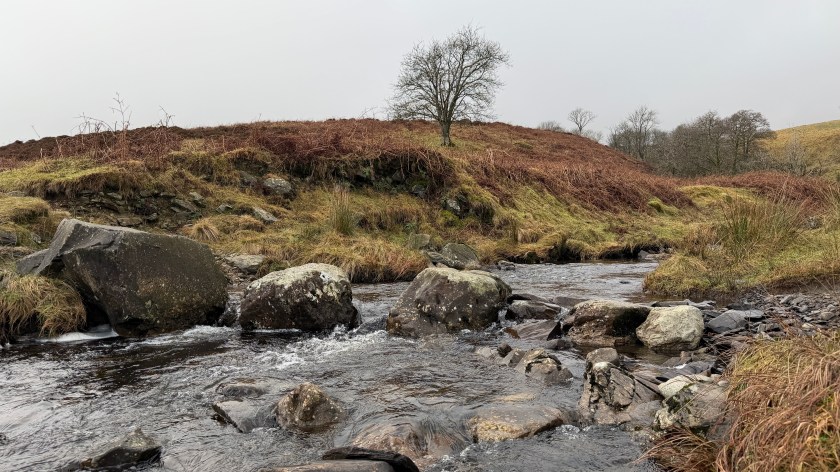
The track curves to the left and then to the right up towards a plough of rocks on the right alongside which you will see a path to the right. This path is visible, but you do need to look for it. You follow this path across moorland downward and curving leftward. The path eventually works its way alongside a stream in a small valley, zig-zagging its way down towards a wall marking the edge of the moorland.

Turn left across the stream and either alongside the wall or up onto the ridge that overlooks the wall; both routes come out on another path with a wood on the right. This will bring you back onto the gravel track which will take you down another small valley and to the right over a high stile.

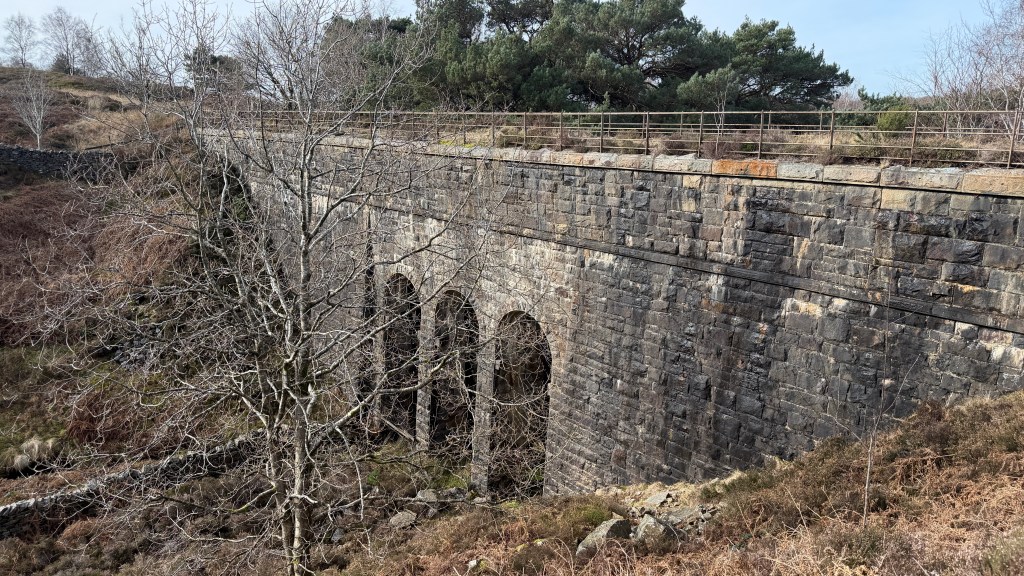
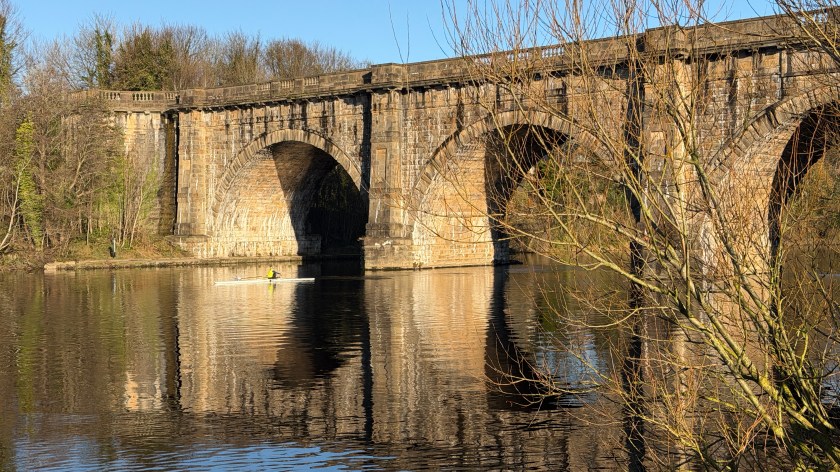
Before the gravel road heads out of the moorland there is a track to the left which will take you to a bridge across a valley, the Ottergear Bridge. The primary purpose of this construction though is as an aqueduct; it’s carrying water from Thirlmere in the Lake District to Manchester a 96-mile journey.

Having crossed Ottergear Bridge the path works its way around the base of Birk Bank to the path just above the duckboards; take a right hand turn down to the car park.

Alternatives and Extensions

The most obvious extension to this one is to carry on the Grit Fell from the top of Clougha Pike. This looks fine on the map, I’ve never done it but I have seen several people say that it’s very boggy.

You can reach the top of Clougha and Grit Fell from Jubilee Tower, this would get you to the top but it wouldn’t make sense to continue on the circular aspects of it. Several people also highlight that this can be very boggy.

You could shorten the route by staying on the gravel track all the way from the Chambers to near Ottergear Bridge and then around.

Beyond Ottergear Bridge there is a large brick built structure part way up the hillside. I think that this is still part of the aqueduct works. There’s a path up to this structure from where there are some more good views. From here you can choose to work down to the car park, or you can continue along to the top of Birk Bank until you reach the stream and wall at the beginning of the walk and then back along the duckboards.

I think I’ve walked a different route every time I’ve done this walk.
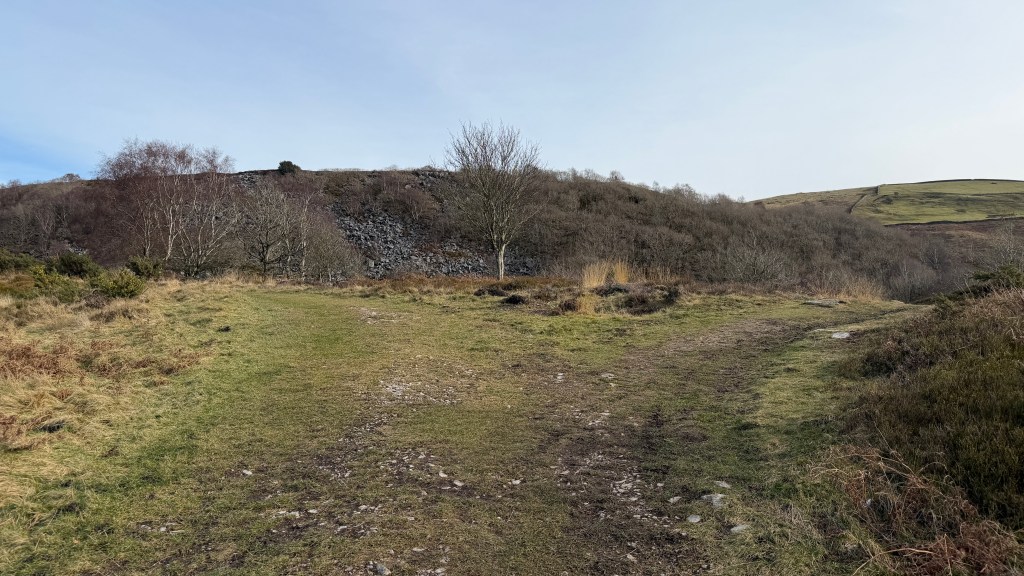
As you reach the top of the first hill keep to the right
Looks out for the duckboards across the bog
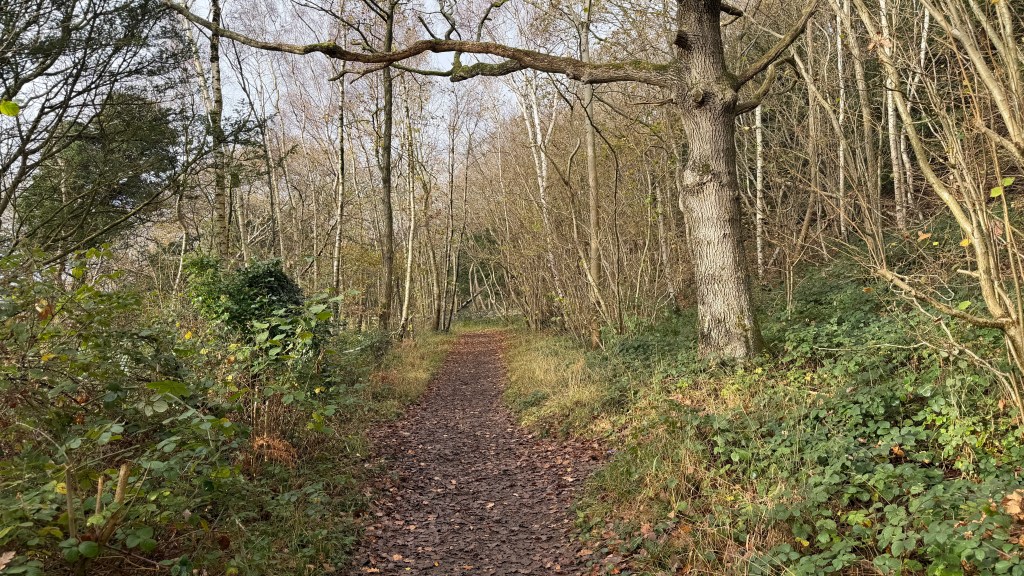
Follow the path through the woods alongside the stream
Reaching the top of the woods
Work your way up the cloughs
Can you spot the Red Grouse
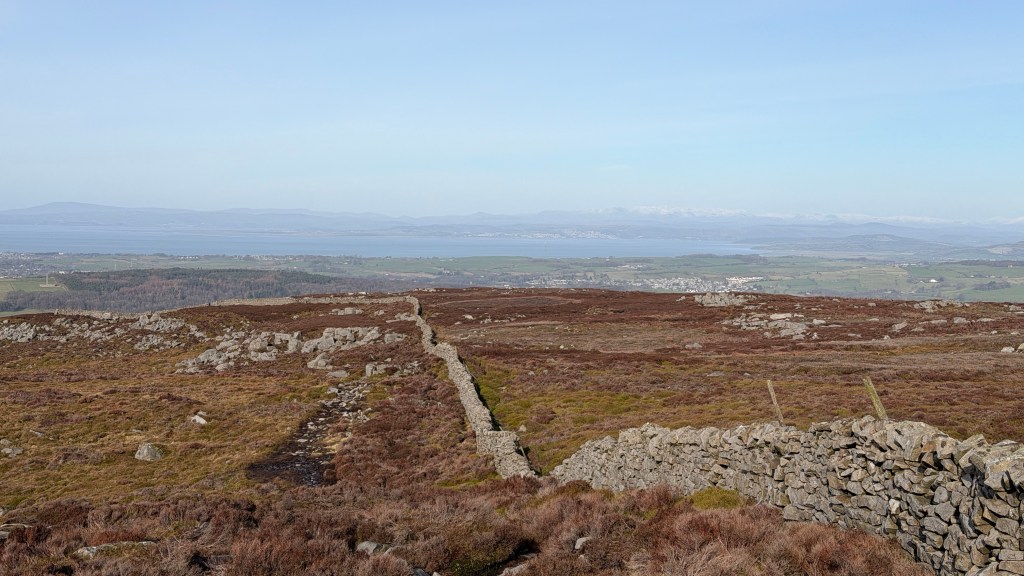
Follow the line of the wall
Spot the well known Yorkshire Peak
Looking out across Morecambe Bay from the wind shelter at the top
The path towards the Three Chambers
The Clougha Chambers
The Three Chambers
Follow the gravel rack to the outcrop of stone in the middle of this picture. Take a right on the path before it.
Head down through the moorland.
Keep on the gravel track at this point
Heading off the gravel track towards Ottergear Bridge
Ottergear Bridge with the aqueduct below
Something else to look out for
You’ll see this on a hillside, feel free to go and explore.

Arnside Knott and Far Arnside Circular from Arnside | Grahams Guides

A walk of hills and coast, open views and woodland meandering. Starting and finishing in the beautiful coastal village of Arnside where there are several good cafe options and free parking.

Graham’s Walks📌
Distance5.3 miles
DifficultyModerate
Map🗺
GPX📁
Graham’s CafeSandpipers (at the start/end of the walk on Arnside promenade)
The Wolf Cafe (short drive away in Silverdale)

The Area

The village of Arnside sits on the side of the Kent Estuary with glorious views of the southern Lake District fells. The views extend even further from the top of the relatively small Knott which we will ascend on this route. The Kent has its source in Kentmere in the southern Lake District and makes its way down through Staveley and Kendal (a derivation of Kent Dale) and past Levens through the Deer Park. It then makes its way through the varied landscape of the Kent Estuary and into Morecambe Bay.
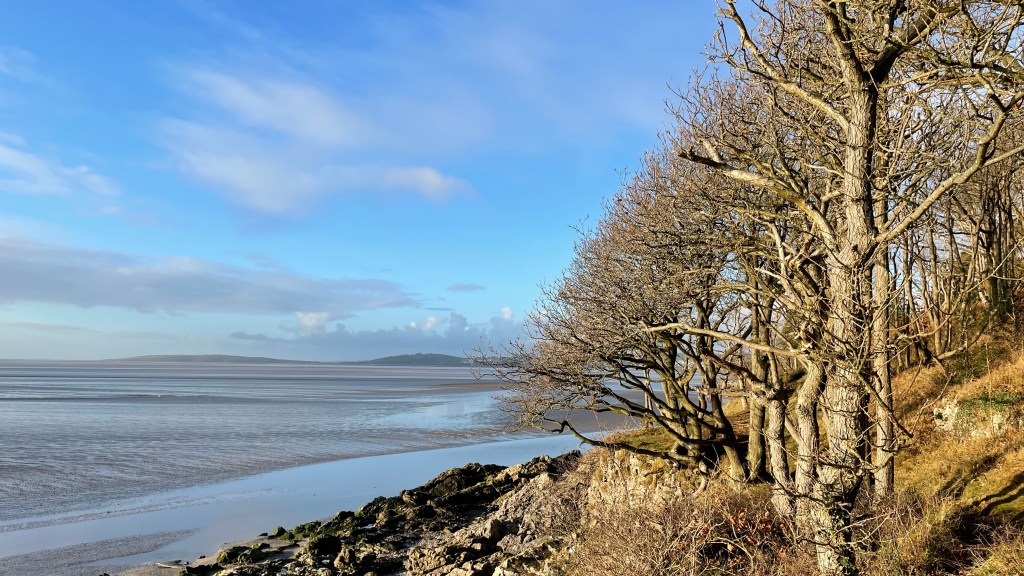
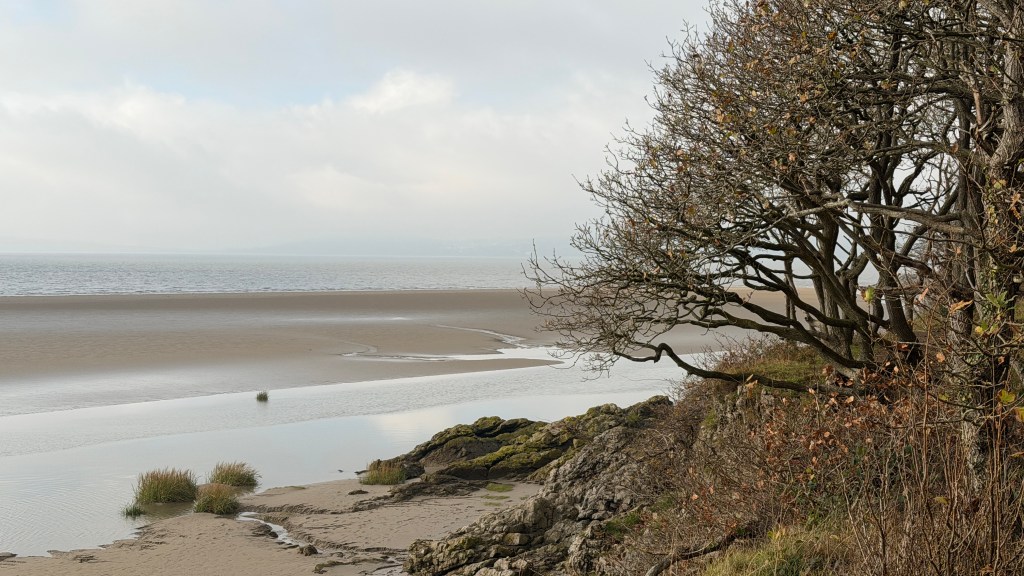
Arnside is mostly a product of the railway. Prior to the arrival of the train, it was a small fishing village; the Furness line turned it into a fashionable place for the Victorians to visit for recuperations and health retreats. Its development stayed small without a large hotel or theatres which helped it avoid much of the impact caused by the switch to foreign holidays.

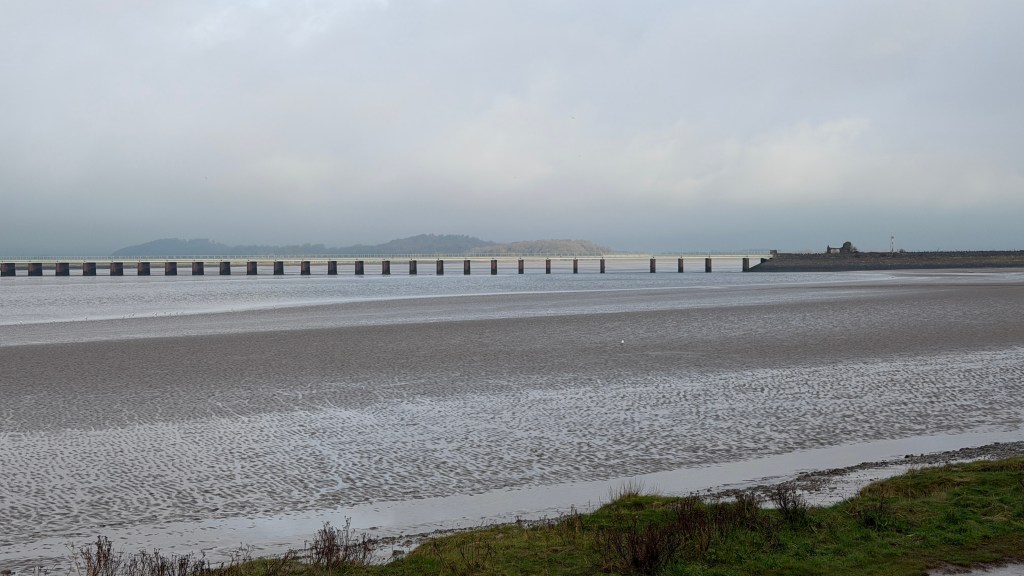
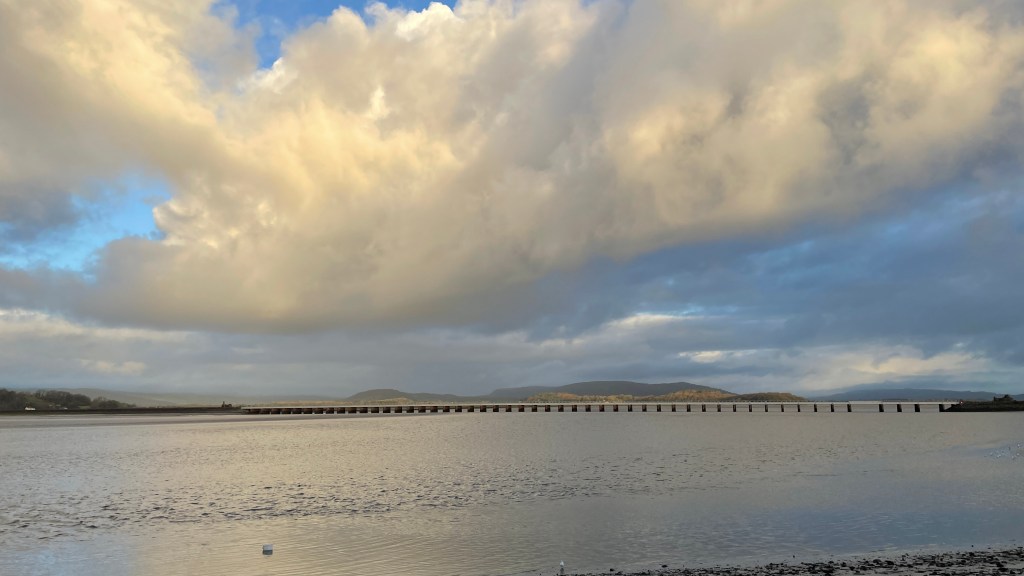
We start this walk from the shorefront in Arnside from where you will notice the Arnside Viaduct which was built in the 1850s. It’s still the only crossing of the estuary and when it was opened made a huge difference to the travel times to and from Barrow and beyond. There are plans to widen the viaduct for cycling and walking with a funded feasibility study being undertaken in 2023, there doesn’t appear to have been much activity since then though.

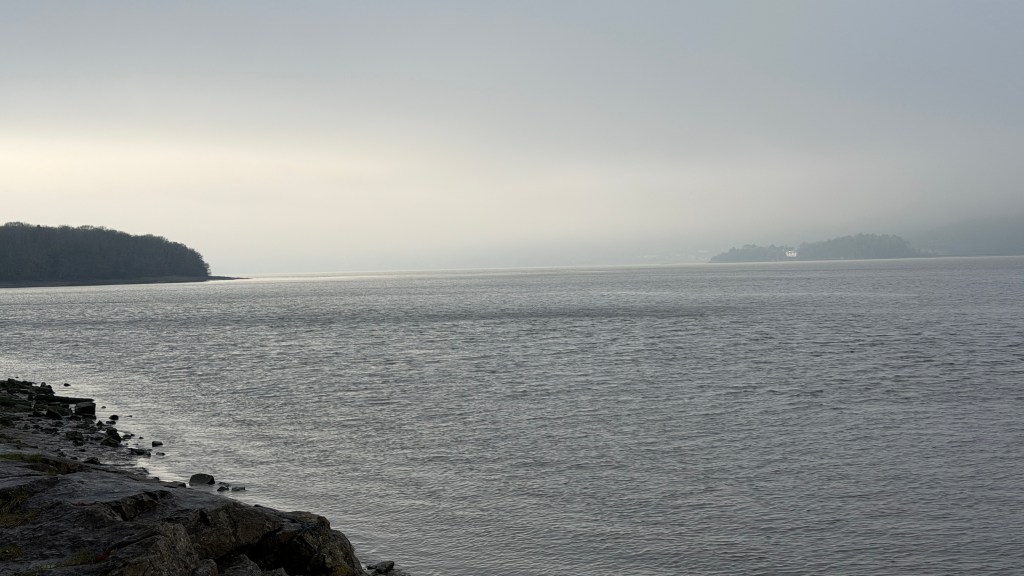
The views on this walk are dominated on one side by the huge expanse of Morecambe Bay which is “largest intertidal area in the whole of the UK“. Its huge expanse has meant that people have often braved the perils that lurk there to save on the long journey going around. As you look out on the view imagine that people used to ride stagecoaches across the sands and that Romans and Monks once walked this route.

As another short aside, while currently part of Cumbria, much of land on the other side of the bay from Arnside was historically part of Lancashire.

There is lots of good walking from Arnside, but please note, the Kent Estuary is not suitable for swimming.

The name Arnside is widely understood to come from a Norse heritage meaning Eagle (arn) Headland (side). The nearby RSPB Leighton Moss is frequented by several raptors, Foulshaw Moss on the other side of the Kent is a nesting please for Osprey and Warton Crag to the south has resident Peregrin Falcons; but I’ve never seen anything more than a Buzzard around Arnside. Knott is also a Norse word meaning rocky hill.

The Knott is one of several limestone crags along this area of coastline most of which have been used as quarries at one time but now are mostly open for walking and looked after by different organisations. Arnside Knott is owned by the National Trust who provide a small car park on the Knott itself.

The Walk

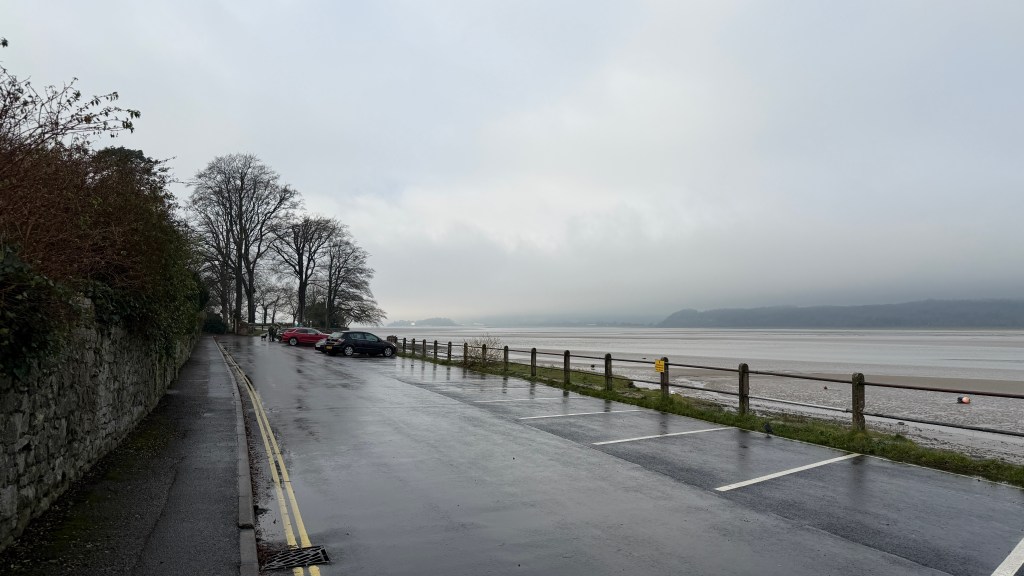
We start this walk from the village of Arnside parking on the shoreline. There’s normally ample parking on the promenade road, but there’s also the option of Arnside beach Car Park.

Depending on where you parked there are several options for getting to the top of the Knott. The easiest to navigate is to follow the main road out of Arnside towards Silverdale, called Silverdale Road. Turn right onto Red Hills Road and then take a left up onto High Knott Road heading left as it reaches a T-junction. The OS Maps route that I’ve made available shows a route that cuts through to Red Hills Road from the shoreline near to the Arnside Beach Hut cafe.

From High Knott Road take a right through the woods and up the hill to the top of the Knott.

The woods will give way to a field. At the other side of the field, you pass through a gate into open limestone thickets to the top. This is limestone which can be slippery when wet.

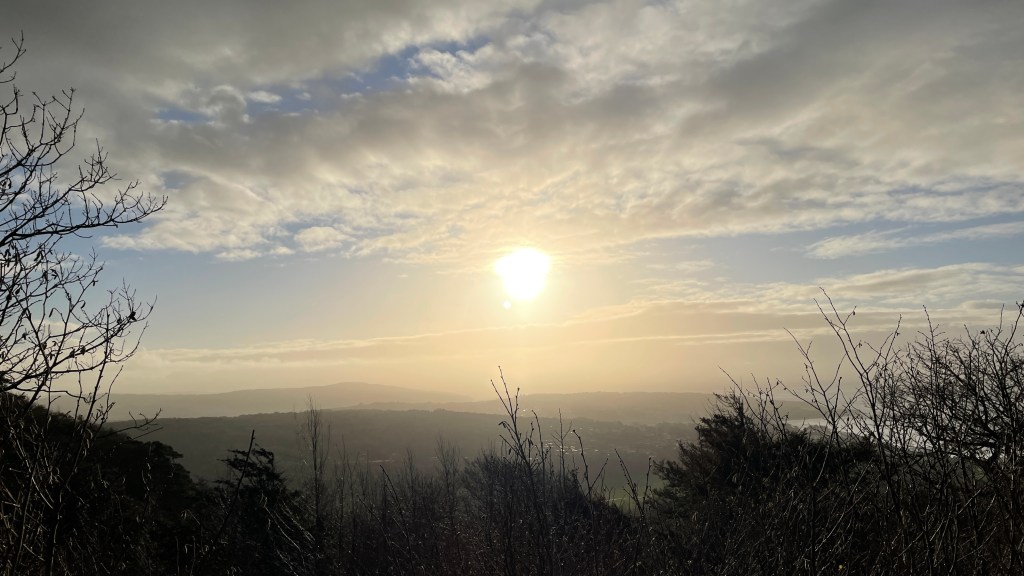
Make sure you take some time to enjoy the views on your way up. From the tops of the Knott you can see across the Cumbrian Fells, across into the Yorkshire Dales and along the Lancashire coastline.

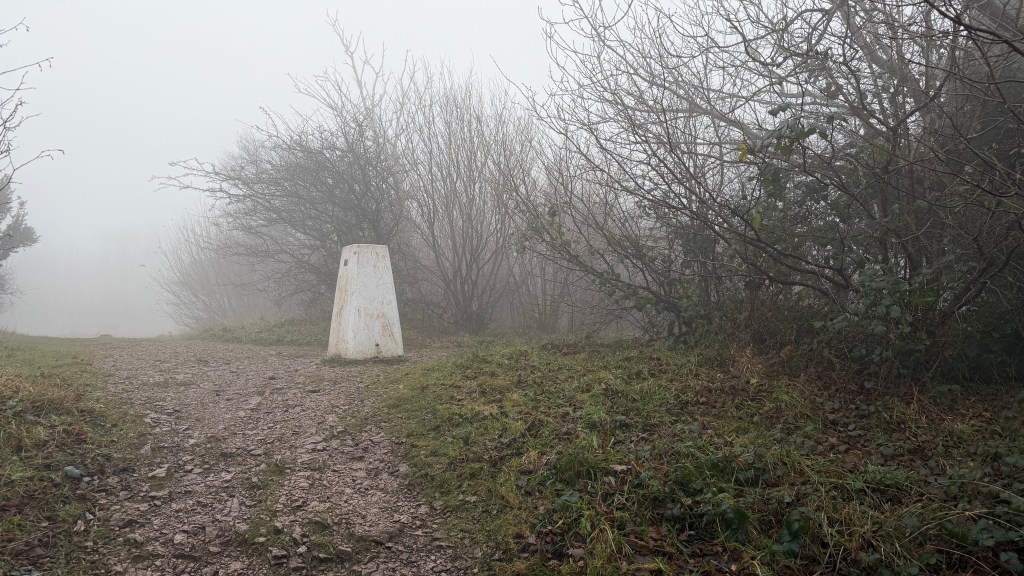
If you are someone who likes to bag a trig-point you’ll find one hidden in the middle of a thicket to the left of the main path. Although it marks the top the trig-point isn’t where the best views are. From the trig-point work your way back to the path that you left which you can either do by retracing your route, or by taking the path that’s shown on the map.

The main path will take you past several open viewing areas; some with seating. The path will also take you downhill eventually reaching a fork. At the fork take the left-hand option which will take you down to a gate into Hollins Farm. If you miss the fork carry on down until you reach a wall where you can take the path on the left to the gate.

From Hollins Farm take a stile across another field onto the driveway for the Far Arnside Holiday Park.

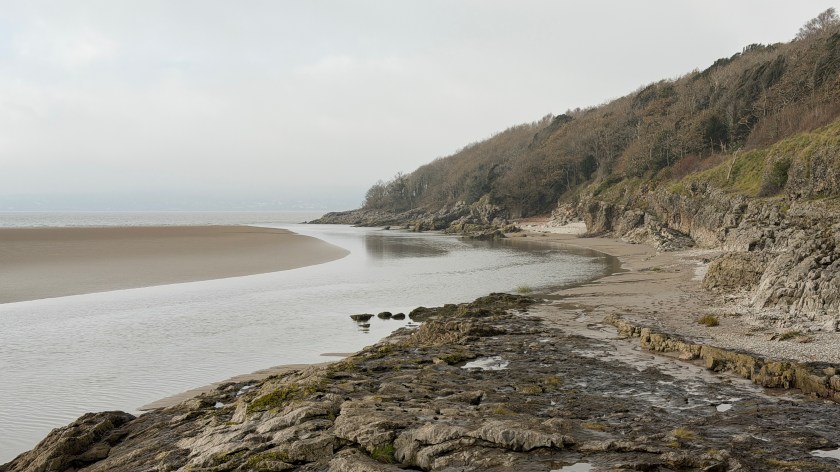
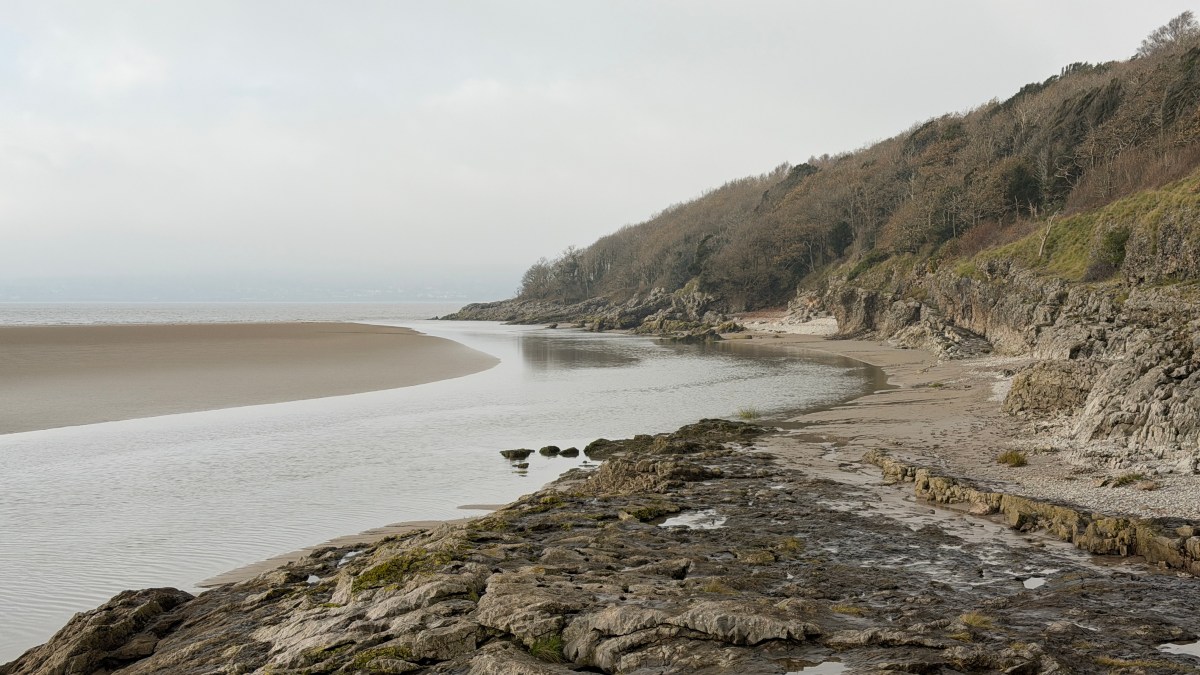
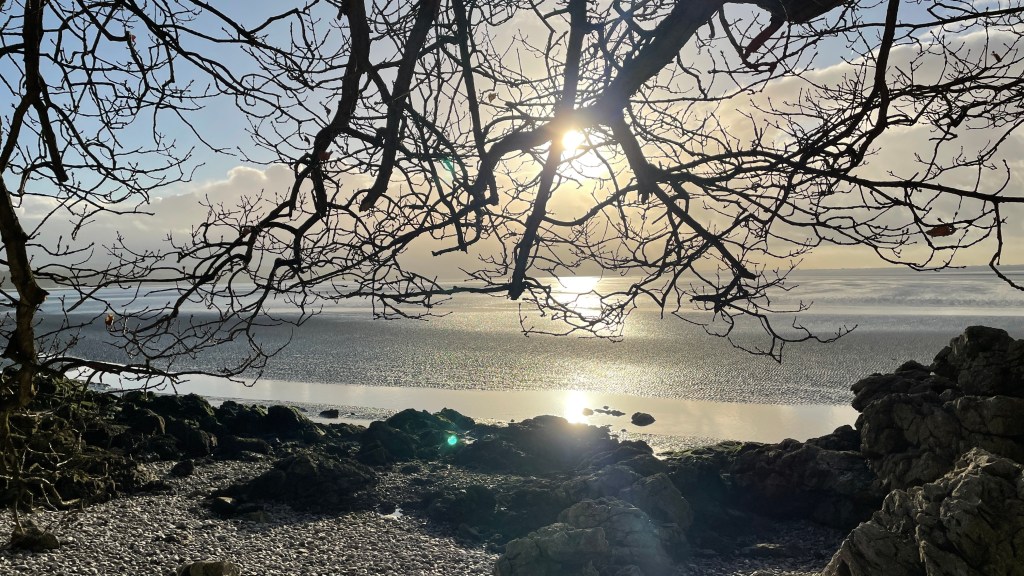
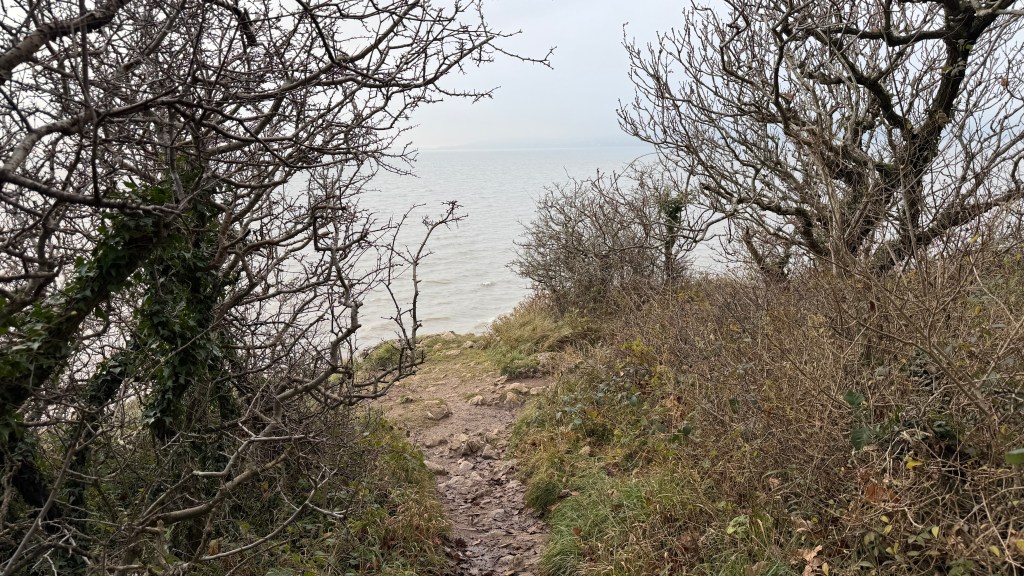
Take the driveway into the park and across it to the gate on the far side into a wood. This path will take you around the outside of the Knott on the Cumbria Coastal Way back to Arnside. The path meanders its way through the woodland sometimes along cliff tops. At various points paths branch off to a pebble beach or a rocky cove, feel free to explore these paths the views are ever changing. The coves and beaches are excellent places to stop for refreshments, and the bay looks different each time you visit.

I’ve never known this route be busy, but it is especially peaceful beyond Far Arnside until you reach The Bob-in Cafe by which time you are almost back into Arnside.

At The Bob-in Cafe the path goes around the outside of a grassy bay and returns to woodland on the other side known as Grubbins Wood and cared for by the Cumbria Wildlife Trust.

Extensions and Variations

There are many different interconnecting paths on the Knott; feel free to explore this fascinating place. Different paths will give you different panoramas to enjoy.

You can choose to do some of the walk on the shorefront but please make sure that you understand what the tides are going to be doing. Also, even if the tide is out there is still the possibility of quicksand.

The National Trust publish a shorter circular route (1.7m) from their car park on the Knott itself.

There aren’t too many places to extend this walk as at least half of it is framed by the coast. Where it can be extended it to include Arnside Tower by heading over the Knott and then on down to the coastal walk from the tower. If ancient towers are your thing then this may be something you want to do but by taking this detour you will be missing out on many of the views from the Knott. The tower is a ruin and there really isn’t very much to see.

Arnside Viaduct with the tide out
Arnside Viaduct with the tide in
Promenade Parking
Finding the Trig Point
Looking south from the summit
The Kent Estuary looking north
Joining the path through the woods at Far Arnside
Meandering the coastal path
Meanding the coastal path on a different day
Exploring a pebble beach
I wonder where this path goes?
Grubbins wood
Looking across the estuary towards Grange